GENEVA: If British voters decide to leave the EU this week, Switzerland will likely reap an influx of money from the City of London.
But the Swiss — who last week decided to withdraw their dormant 1992 application to join the European bloc — are more worried about the negative fallout from a Brexit than busy counting their potential gains.


They are worried that any quick post-Brexit gains will be more than offset by longer-term damage to the EU’s single market and the knock-on effects that would have on them.
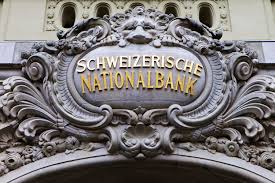
For starters, they fear the effect of a British exit on the Swiss franc — one of the few safe-haven currencies in times of uncertainty and at year-to-date highs against the euro. The Swiss Central Bank decided last week to keep its main interest rate in deep negative territory because of concerns over its currency’s strength.
The EU referendum “may cause uncertainty and turbulence to increase,” the central bank said in a statement. Its president, Thomas Jordan, added that the bank is ready to intervene in the financial markets in case of Brexit shockwaves.
One of those shockwaves could be to send risk-averse investors toward the safety of Swiss franc-denominated assets. That might seem like good news for the Swiss financial sector, which accounts for 10 percent of its GDP — twice the EU average. But the influx of money could actually be a drag on the Swiss financial industry as investors become more cautious in their trading, according to Alessandro Bee, a senior economist at UBS Switzerland.
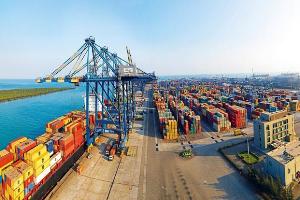
A stronger currency will also hurt Swiss exports and the tourism industry by making Swiss products and services more expensive. Exports account for more than 50 percent of the country’s GDP, according to the World Bank. And the EU is its largest trading partner — nearly 60 percent of Swiss exports and imports are to and from the EU.
That is why, in a post-Brexit world, Switzerland’s trade relations with the remaining 27 countries of the bloc are a real concern for the Swiss. “Switzerland has major export exposure, both in the goods and service industries,” Bee said. “If the risks rise that the single European market may be dismantled, Switzerland suffers more than others.”
The country’s vast cross-border asset management industry — it’s home to a quarter of the global market — is also vulnerable over the longer term.