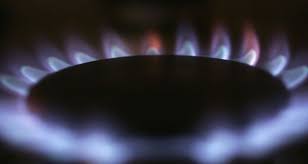
CANBERRA: Australian gas is being shipped and sold to wholesale customers in Japan for 40% less than it is sold to Australian customers, despite the extra costs of liquefying and shipping the gas there. The commitment to exporting Australian gas has left fewer companies selling gas to the Australian market, meaning both retail and wholesale gas prices have risen sharply, pushing up local electricity prices up too.
Those price rises are a result of a lack of competition and cartel-like behaviour, not any shortage of actual gas supply, according to finance and energy analyst Bruce Robertson from the Institute for Energy Economics and Financial Analysis. The analysis comes just ahead of a meeting of state and federal energy ministers at the Coag Energy Council on Friday. Since May, the wholesale price of gas on the east coast of Australia overtook the price of gas in Japan. But because of long-term contracts signed by Santos, Shell and Origin Energy, the companies have been obliged to continue exporting to overseas markets, including Japan.

“Bearing in mind the high costs of transport and liquefaction, it makes no sense that Australian gas should be cheaper in Japan, one of the highest-cost markets in the world. Australian consumers would be correct to question why this is the case,” said Robertson. Robertson said all the available evidence suggested there was no shortage of gas locally but there was a severe lack of competition, he said.
Gas companies are not obliged to release information about the capacity or production of their wells, so Robertson pointed to public statements about their supply levels. In 2012, for example, BHP Billiton’s petroleum chief Mike Yeager was reported as saying that they had so much gas supply in eastern Australia they could supply those areas “indefinitely”. The comments were made when gas use was forecast to grow, and since then it has declined. Robertson said that means Australia must be “swimming in gas” supply.