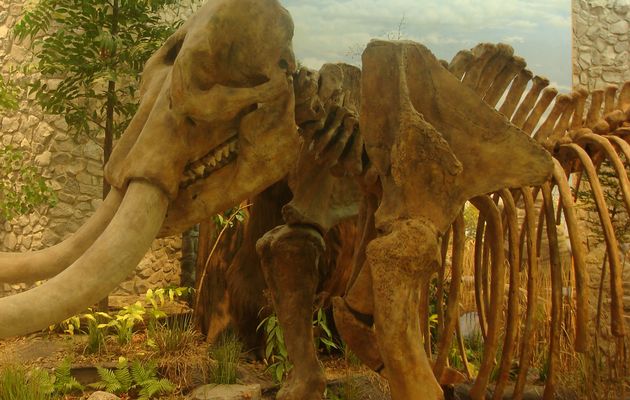


UK: In the Yukon Paleontology Program a cousin of the elephant and the very old wooly massive the mastodon has been a center of attention for researchers. The researchers exposed that the creatures lived in a different time than has been thought.
The research team, lead by paleontologist Grant Zazula, also discovered that the big beasts died from the opposite condition now threatening the planet earth – the mastodon died due to global cooling. They did not live 14,000 years ago, as long believed, but more like 75,000 years ago and died off because temperatures were getting colder, Zazula said.
“We know that mastodons – which are relatives of mammoths and elephants – are not really well adapted to cold conditions because their behaviour and their preferred habitats are forests. They eat forests-type plants,” Zazula said. “We actually learned – based on what we know of mastodons’ preferred habitat – they were actually probably killed off by global cooling, rather than global warming.”
It had been thought that when the ice-age ended the warming air had been a cause of their demise, that and humans hunting them. But Zazula said their research suggests that they died off because of cooling temperatures.
There are many mastodon fossils from the Yukon and Alaska that have been collected and are there for studying. The researchers used the most up-to-date radiocarbon dating available to make their findings.
Once they had done that they were able to draw conclusions about the reason they became extinct from the time they lived, the location and their preferred habits.
To Zazula the dating of these fossils always seemed unlikely due to the kind of environments they were built to live in. They could not have, he says, lived during the last ice-age,which ended about 12.000 or so years ago.

Karachi Port sets 138-year cargo handling record
KARACHI: Pakistan's maritime sector has achieved a major milestone as Karachi Port set a new record in its 138-year history...