Customs Today
  • Home
  • Islamabad
  • Karachi
  • Lahore
  • National
  • Transfers and Postings
  • Chambers & Associations
  • Business
No Result
View All Result
Customs Today
  • Home
  • Islamabad
  • Karachi
  • Lahore
  • National
  • Transfers and Postings
  • Chambers & Associations
  • Business
No Result
View All Result
Customs Today
No Result
View All Result

Sri Lankan mine workers exceed graphite target by 74 metric tonnes

byCT Report
24/10/2016
in Uncategorized
Share on FacebookShare on Twitter

COLOMBO: The next month, the workers exceeded their monthly target by producing 74 metric tons (81.57 short tons) of graphite, says Sunanda Fernando, secretary of the Free Employees Union at the mine.

The increased risk allowance was added to each workers’ July pay. Still, it’s a pittance compared to what the miners at the Kahatagaha mine could be earning if Sri Lanka’s graphite industry had more sophisticated technology and operated at a higher capacity.

You might also like

FBR revises customs values of sodium sulphate anhydrous vide VR No.2107/2026

25/09/2026

FBR agrees to refund tax collected under struck-down property provision

25/09/2026

“We have heard that miners in other countries earn hundreds of thousands of rupees,” says Sunil Ekanayake, a 64-year-old assistant leader in the mine’s drilling section who has worked there since 1988. “But the Sri Lankan graphite doesn’t draw a high price and, as a result, we receive a low salary.”

Sri Lanka was a leading supplier of graphite during the colonial era, when the British Empire ruled the island nation, says Prashan Francis, director general of the Gem and Jewellery Research and Training Institute. There were hundreds of mines spread throughout the southwest and central parts of the island. In 1916, during World War I, a boom time for graphite mining, Sri Lanka exported 33,411 metric tons (36,829 short tons), accounting for 35 percent of the world’s consumed graphite supply.

Demand for graphite, used in brake linings, as a lubricant and a host of other ways, dropped when the war ended. And when the British left Sri Lanka a few decades later, graphite export became more difficult, Francis says.

People who work at Sri Lanka’s state-owned Kahatagaha graphite mine say their salaries are low, despite the country having been a major graphite producer.

Related Stories

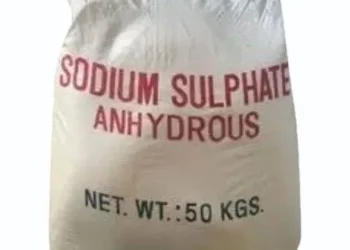
FBR revises customs values of sodium sulphate anhydrous vide VR No.2107/2026

byCT Report
25/09/2026

ISLAMABAD: FBR has revised customs values for imported sodium sulphate anhydrous, replacing valuation rules that had been in force for...

FBR agrees to refund tax collected under struck-down property provision

byCT Report
25/09/2026

LAHORE: The Federal Board of Revenue (FBR) has agreed to refund tax collected on deemed income from immovable properties under...

OICCI urges investment & export reforms as IMF team visits Karachi

byCT Report
25/09/2026

KARACHI: The Overseas Investors Chamber of Commerce and Industry (OICCI) has called for Pakistan to build on recent macroeconomic stabilisation...

SBP launches Pasban Remittance Rewards

byCT Report
25/09/2026

KARACHI: The State Bank of Pakistan (SBP) has launched the Pasban Remittance Rewards program to encourage overseas Pakistanis to send...

Next Post

Sri Lankan plantation workers protest against new collective agreement

  • Terms and Conditions
  • Disclaimer

© 2011 Customs Today -World's first newspaper on customs. Customs Today.

No Result
View All Result
  • Transfers and Postings
  • Latest News
  • Karachi
  • Islamabad
  • Lahore
  • National
  • Chambers & Associations
  • Business
  • About Us

© 2011 Customs Today -World's first newspaper on customs. Customs Today.