JAKARTA: Fruit is an integral part of Indonesias culture, as many local rituals and ceremonies make use of fruits.
Every region in Indonesia has its respective specific tropical and exotic fruits that have been cultivated in large scales. Therefore, fruit plantations are not only good to produce fruits for domestic and international markets but also for agro-tourism.
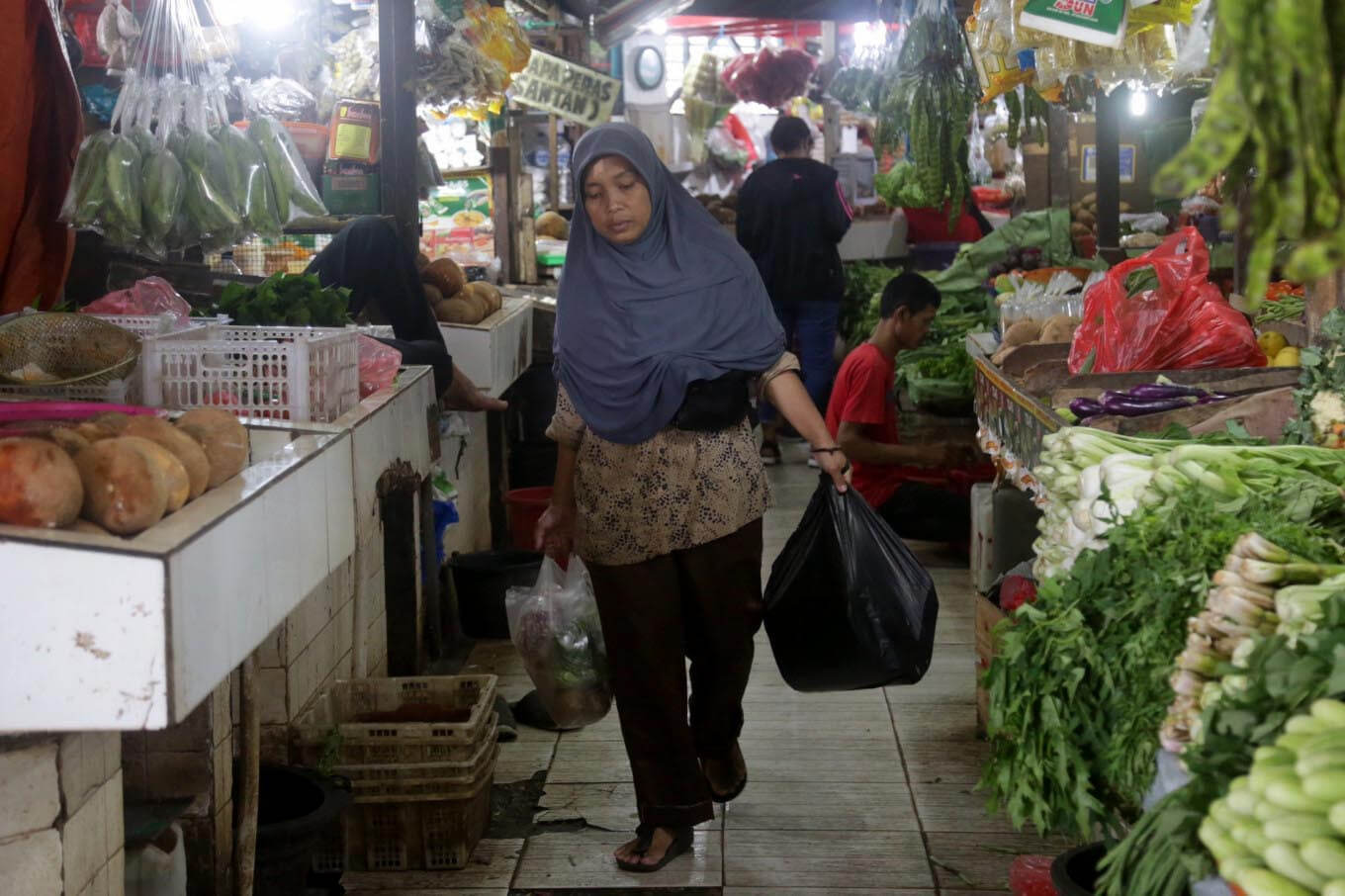

Agriculture Minister Amran Sulaiman said at least 12 varieties of local fruits have been recognized as Indonesias endemic fruits.
“They are Balinese keprok pomelos, durians, mangoes, mangosteens, avocados, pineapples, rambutans, salaks, bananas, papayas, melons and watermelons,” the minister said. Indonesia is believed to have a huge potential to become one of the worlds largest fruit exports, because the country has been blessed with fertile land and fruits that are abundant both qualitatively and quantitatively.
In 2014, Indonesia produced 1,999 tons of oranges, 856,000 tons of durians, 2,464 tons of mangoes, 111,000 tons of mangosteens, 306,000 tons of avocados, 1,874 tons of pineapples, 733,000 tons of rambutans, 1,036 tons of salaks, 1,080 tons of bananas, 830,000 tons of papayas, 184,000 tons of melons and 684,000 tons of watermelons.
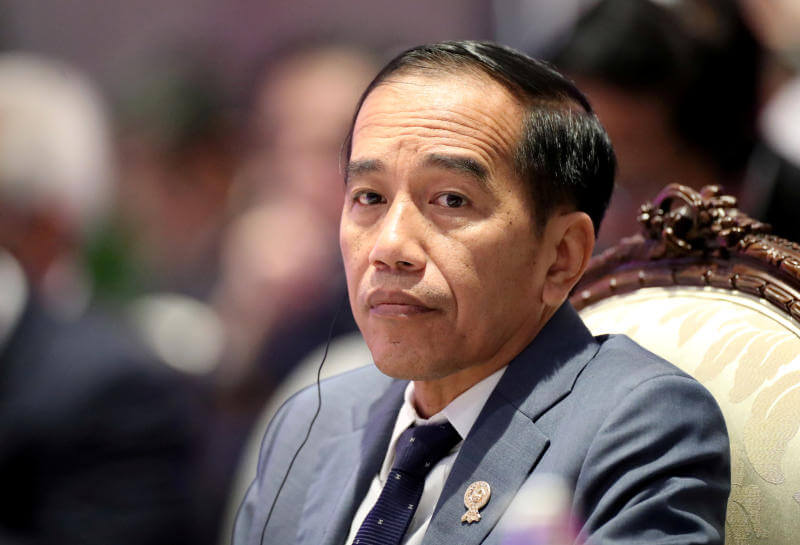
“Having a huge amount of fruit productions, we could export them and thus reduce fruit imports. According to data of the UN Food and Agriculture Organization (FAO), in 2014, Indonesia ranked 20th in the world fruit exporter list,” he said. A similar hope was expressed by President Joko Widodo (Jokowi) in his opening remarks of the Fourth Fruit Indonesia 2016 festival held at Senayan eastern park area, Jakarta, on Nov 17.
“I hope Fruit Indonesia 2016 expo will be an initial step in making Indonesia a major fruit exporting country, thus improving the welfare of fruit farmers,” the Head of State said.
He asked state-owned plantation firms to cultivate fruits, in addition to the current oil palm and rubber estate, in a bid to boost local fruits export. Jokowi recommended state-run companies to prepare 10 thousand to 50 thousand hectares of lands to cultivate fruits.
The president disclosed that last year he had asked the Bogor Agriculture Institute (IPB) to start establishing fruit plantations with minimum area of 5-50 hectares in some regions with fruit production potential. “We want our local fruits to enter the export market,” Jokowi added.
He admitted that Indonesia could not meet the demand from the huge fruit export markets, especially for mangosteens, pineapples and avocados. “I have told the Agriculture Minister to expand fruit plantations. If we have 14 million hectares of oil palm plantation, we can have it for fruit cultivation too. By doing this, Indonesia can dominate the worlds fruit market,” he said.
Various varieties of delicious fruits are found in Indonesia. Much of it are seasonal, while other fruits are available throughout the year.
Some 25 to 35 typical Indonesian fruits are offered in Fruit Indonesia 2016 festival which is being held until Nov 20, Meika Syahbana Rusli, chairperson of the organizing committee, said.