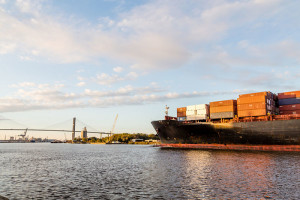
SINGAPORE: Singapore Trucks and cement mixers barrel down the long, straight Tuas Boulevard at the southwestern tip of Singapore. Work on what will be one of the world’s largest container terminals, first proposed in 2010, started in April. The 30-year plan is to create 66 berths on 1,337 hectares of reclaimed land with the capacity to handle up to 65 million containers, or twenty-foot equivalent units, a year. The port can currently handle 40 million TEU annually.
However, business conditions at the world’s second-busiest container port belie the optimism of the project. Container throughput fell 8.7% to 30.9 million TEU in 2015, the lowest level seen since 2011 and the first decline recorded since the global financial crisis. Container volumes began posting year-on-year growth once again in the middle of this year, but the pace has slowed from 7% in September to just 1.4% in October, according to preliminary figures. The situation in Singapore is mirrored across the region, as continued weakness in global trade and the slowing Chinese economy are dampening traffic at Asia’s ports. Yet many are intent on carrying out ambitious expansion plans.
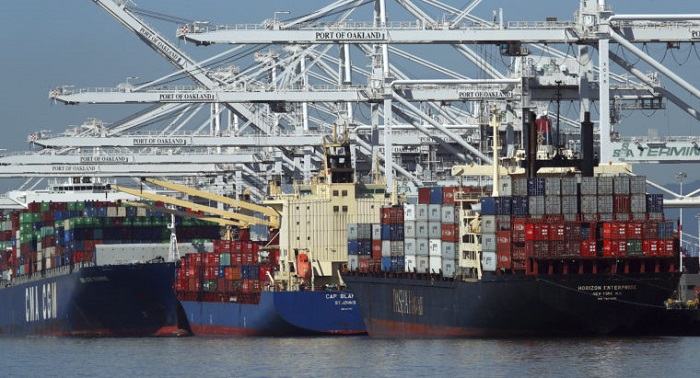

The situation in Hong Kong is even bleaker than Singapore, with container throughput down 8.5% in the first nine months of the year to 14 million TEU. What was the world’s busiest container port about a decade ago slid to No. 5 in global rankings last year, down another notch from 2014. A study by Deutsche Bank released last year estimated that Hong Kong’s container volume could nearly halve by 2025, potentially knocking the city out of the global top 10.