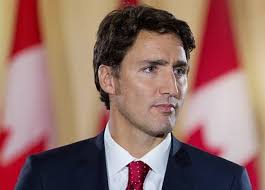
OTTAWA: The bullish view for Canadian energy producers calls for Prime Minister Justin Trudeau to approve a major pipeline expansion to the west coast by December, boosting sales of land-locked oil sands crude to Asia.
But a growing number of shipping brokers and physical oil traders warn that any new influx of oil will hit a bottleneck in Vancouver, because of the port’s inability to accept the megaships that dominate oil trade globally.

Middle Eastern producers already ship oil to Asia far more cheaply, thanks to the bigger vessels they employ. And US Republicans have revived hopes that TransCanada Corp could build the Keystone XL pipeline to the United States, sidestepping Vancouver altogether.
Natural Resources Minister Jim Carr has said that Keystone “doesn’t get oil to export markets in Asia, and it’s a goal of the government of Canada to expand its export markets.”
The decision in front of Trudeau is whether to expand Kinder Morgan’s 300,000-barrel-per-day (bpd) Trans Mountain pipeline, which carries Alberta crude to Vancouver. The project, fiercely opposed by many environmentalists and aboriginal groups, would increase total capacity to 890,000 bpd. Currently, some 98 per cent of Canadian crude exports reach the US, where it sells at a discount to world prices. Vancouver is the only west coast port where it can be sold to Asia.
“If Canada can’t get their oil to another market besides the US, you’ll always be a price taker, not a price maker,” said Sandy Fielden, director of oil and products research at Morningstar.
Cenovus, which has previously exported oil to Asia and is a regular shipper on Trans Mountain, said the pipeline expansion would be an important step, but it’s only a partial solution.
“We still need additional pipeline capacity to reach deep-water ports in Canada and the US where we can access large tankers,” said spokesman Reg Curren. The Canadian Association of Petroleum Producers has said output from Canada’s oil reserves is set to outpace infrastructure to bring it to market in coming years. The largest oil tanker that can dock in Vancouver is an Aframax, which can carry 500,000 to 700,000 barrels. Vessels at the port can only be loaded up to 80 per cent capacity due to depth and other restrictions.
That’s a stark contrast to the one million barrel Suezmaxes, or the two million barrel very large crude carriers commonly found in Iraq or Singapore. As long as the port can only take Aframaxes, it will remain largely uneconomical for exports to head to Asia, said Matt Smith, director of commodity research at ClipperData LLC, which tracks vessel movements.
The Port of Vancouver, which houses Kinder Morgan’s marine oil terminal, said it expects nearly 400 crude and chemical tankers a year under the expansion from 100, but there are no plans to allow bigger tankers into the port. Loadings of Aframax tankers are expected to grow to one a day from about five per month, said Ali Hounsell, a spokeswoman for the Trans Mountain Expansion Project. But ship brokers note many Aframaxes are tied up on a popular Russia-to-Asia route already, so costs would have to increase to divert those vessels.
Traders said the price of Canadian crude shipped to Asia needs to be low enough to offset the cost of shipping across the Pacific on smaller vessels. They also note many Asian refiners prefer Iraqi crude due to lower acidity. Still, Wood Mackenzie analyst Afolabi Ogunnaike said demand from Asian refiners for heavy crude is growing, and exports to Asia may be the best option for Canadian oil.
He estimates at least 50 per cent of the new volumes carried to Vancouver, around 300,000 bpd, would head to Asia. While some disagree on just how much of an impact the expansion will have on trade flows, they say that the possibility of an added destination is a boon for the market regardless.
“There’s always a period of turbulence when you open a new trade route,” said Sarp Ozkan, a senior energy analyst at consultancy Ponderosa Advisors LLC. “I’m not saying it’s going to be easy. But in the end, if Canada is successful in finding a market to Asia, they’ll find a better way to schedule these Aframaxes or another way to get it there.”