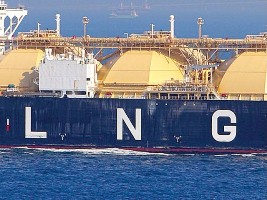
LONDON: The UK is set to import its first ever cargo of liquefied natural gas from Peru as a pricing dispute forces shipments to Europe, with growing supplies of the supercooled fuel carving out new export routes. Peru LNG loaded a vessel this week that has its destination listed as the UK, according to data on Lima-based Perupetro’s website. It is carrying about 61,146 metric tonnes of LNG. The shipment comes as growing supplies of LNG, which are set to expand by almost 50 per cent between 2015 and 2020, presses prices and makes it more competitive against coal and other power sources. Royal Dutch Shell, which has a 100 per cent offtake agreement with Peru LNG, has had to divert supplies away from Mexico as lower international prices have provoked a price dispute between the two countries. The shipment from Peru set for the UK, would beat the US whose bumper supply of shale gas is set to turn it into a major exporter. With Australia and Russia also preparing to export more, north west Europe is predicted to see growing supplies by 2020.
The Peruvian government’s margins have been pressed by a 15-year deal with Mexico. The contract has tracked US Henry Hub prices which have more than halved over the past several years as shale gas supplies ballooned. Efforts to change the terms of the linked contract have been unsuccessful. The Gallina LNG tanker will come from Peru via the recently expanded Panama Canal. Industry analysts say they believe that the cargo is probably being taken by Shell to the Dragon LNG facility terminal in Wales, where it now has a 50 per cent stake after the acquisition of BG Group. It could still be diverted to another buyer. Mexico in the meantime has issued tenders for LNG from other suppliers. Ed Cox, editor of Global LNG Markets at ICIS, which provides pricing information and market analysis, said that the shipment, while noteworthy, may just be a “one off”. “Shell has a large mix of buyers globally and access to import terminals so this is unlikely to be the start of a trend of more Peruvian cargoes coming to the UK.”