DHAKA: Bangladesh’s Balance of Payments (BOP) deficit is up at the end of the first quarter of the current fiscal.
It had $ 793 billion at the end of the July-December quarter of 2016-17 fiscal year. At the end of the first quarter of the last fiscal (July Dec 2015-16) , the BOP deficit stood at $ 504 million. Bangladesh had ended fiscal 2015-16 with a BOP surplus.

The trend continued until September 2016 after which the deficit started to mount. Analyst Zaid Bakht says rising oil prices in the global markets has driven up import costs, which explained the rising BOP deficit.
“The price of oil on the global market had been low for quite some time,” he said. “As a result, our import costs had dropped markedly . But rising oil prices will surely drive up import costs.”
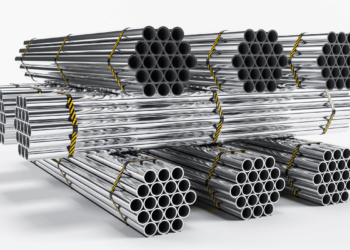
Another significant cause for the rising BOP deficit is spending on equipment for the construction of Padma Bridge and other large-scale projects. Import spending on capital machinery has also increased. Spending on food imports (rice and wheat) has also gone up. The combination of these factors have resulted in the growing BOP deficit, believes Zaid Bakht.
“There isn’t anything to be worried about,” he said. “Increased spending on capital machinery and raw materials indicates rising investment in the country. The economy is revving up.”
Zaid Bakht, who is also the chairman of Janata Bank, said the Banglaesh Bank currently holds $32 billion in foreign exchange reserves. As a result, the rise in import costs should not cause concern. Bangladesh’s FY 2015-6 ended with a large surplus of $3.7 billion.
It also had a surplus of $2.87 billion in FY 2014-5. In 2012, the price of oil per barrel (almost 189 litres) was between $105 and $115. The price fell steadily to $30 per barrel in 2016. The current price is floating between $53 and $57.
The current account of the Balance of Payments shows the difference between a country’s export earnings and import spending.
A surplus indicates the country is earning more from exports than it is spending on imports, while a deficit indicates the country is spending more on imports than it earns in exports.