Customs Today
  • Home
  • Islamabad
  • Karachi
  • Lahore
  • National
  • Transfers and Postings
  • Chambers & Associations
  • Business
No Result
View All Result
Customs Today
  • Home
  • Islamabad
  • Karachi
  • Lahore
  • National
  • Transfers and Postings
  • Chambers & Associations
  • Business
No Result
View All Result
Customs Today
No Result
View All Result
Home International Customs South Africa

South African Waterberg Basin coal projects boosted by railway talks

byCT Report
02/03/2017
in South Africa
Share on FacebookShare on Twitter

CAPE TOWN: After years of doubt and delay, South Africa’s state-owned transport utility Transnet is holding talks with coal mining companies that want to develop projects in the Waterberg Basin.

Until now, the miners have been waiting for Transnet to put rail capacity in place, while Transnet had wanted assurances on projected volumes.


You might also like

lamic banking assets reach Rs14.47 trillion, sector share rises to 23%

07/03/2026
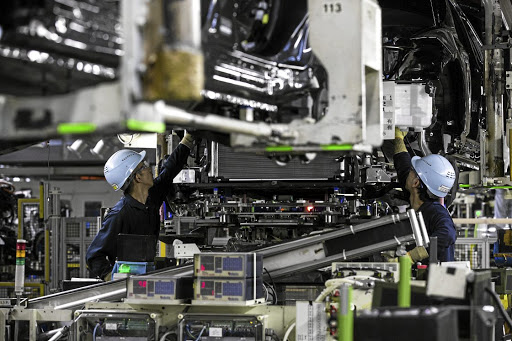
Toyota Motor Corp. employees work on the Crown vehicle production line at the company's Motomachi plant in Toyota City, Aichi, Japan, on Thursday, July 26, 2018. Toyota may stop importing some models into the U.S. if President Donald Trump raises vehicle tariffs, while other cars and trucks in showrooms will get more expensive, according to the automaker’s North American chief. Photographer: Shiho Fukada/Bloomberg

Toyota SA to invest over R4 billion in car assembly and parts

05/02/2020

Recovering coal prices may have forced both sides to the table.

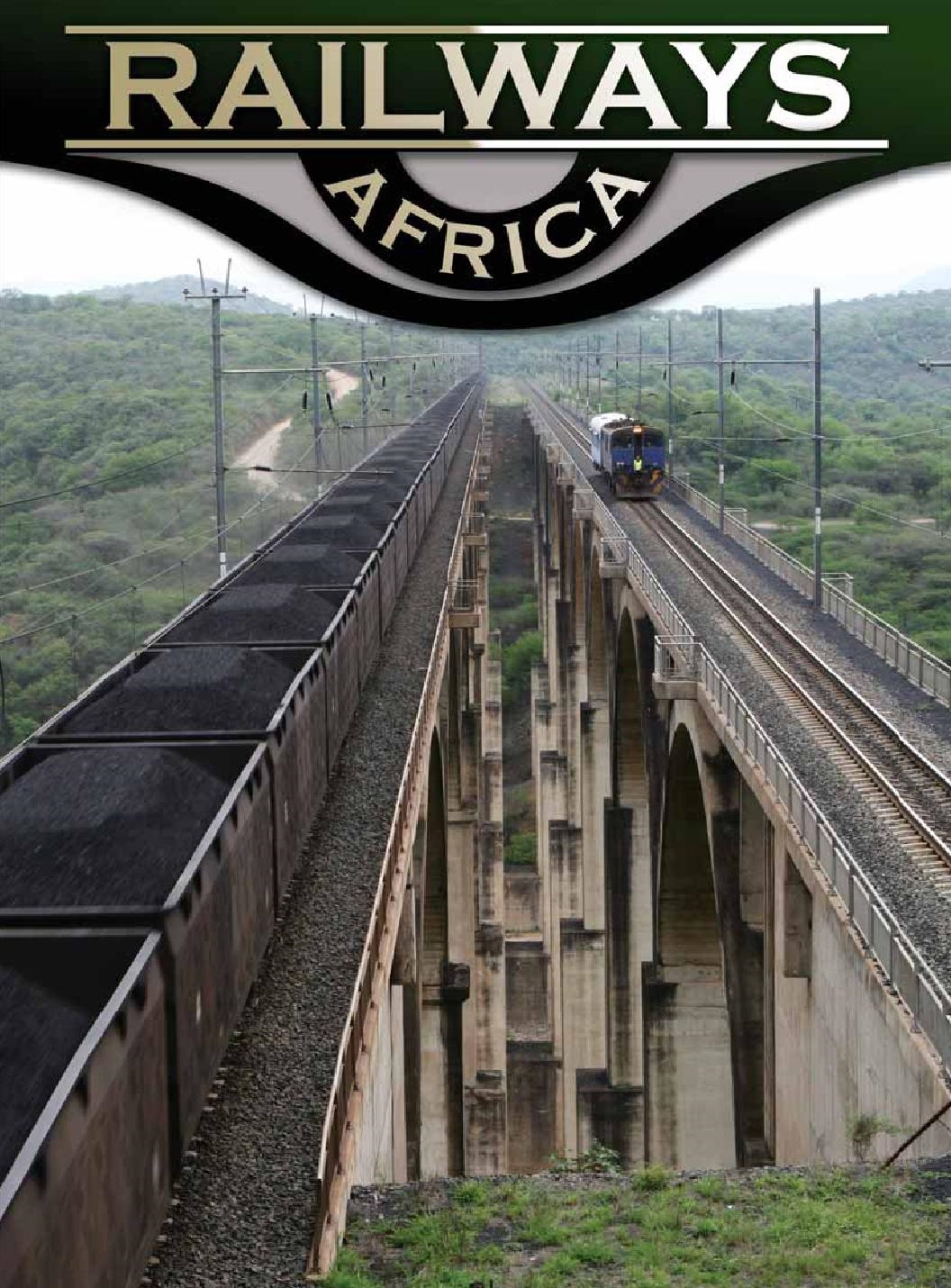
South Africa’s coal industry is currently based on mines in Mpumalanga Province, which is connected to the country’s main coal port, Richards Bay Coal Terminal (RBCT), by rail.

However, output on some mature mines is falling and so a large proportion of production is likely to switch to the Waterberg Basin in Limpopo Province.

The process had been delayed by lower international demand but big rises in the price of both thermal and coking coal over the past twelve months has reinjected some urgency into the process.

Transnet’s commercial general manager Divyesh Kalan announced that discussions with mining firms over transport capacity had begun.

The rail route in question runs from Lephalale to Thabazimibi and then on to Richards Bay. The track is already in place but had very limited capacity until very recently because of the line’s limitations, particularly the long sections of single track, and the lack of rolling stock.

However, the completion of a second line at Matlabas created a 1.8km passing loop that allows Transnet Freight Rail (TFR) to operate longer trains on the line. It can now carry 2m tonnes a year but TFR plans to increase this to 6m tonnes a year within 18 months as it increases the number of services. In the longer term, this will rise to 10m tonnes a year and eventually 24m tonnes a year by 2025.

Despite the medium term fall in export demand, Transnet CEO Siyabonga Gama has reiterated his company’s plans to increase its total coal rail handling capacity to 110m tonnes a year. However, it is almost certain to diversify its dependence on the key Mpumalanga-RBCT route.

RBCT could also compete with ports in Namibia and Mozambique for coal exports from Botswana. New railways from the Botswanan coal fields to the east and west coasts are planned but the landlocked country is already connected with the South African rail network.

Related Stories

lamic banking assets reach Rs14.47 trillion, sector share rises to 23%

byCT Report
07/03/2026

KARACHI: Pakistan’s Islamic banking sector expanded during 2025, increasing its share in the country’s financial system with assets reaching nearly...

Toyota Motor Corp. employees work on the Crown vehicle production line at the company's Motomachi plant in Toyota City, Aichi, Japan, on Thursday, July 26, 2018. Toyota may stop importing some models into the U.S. if President Donald Trump raises vehicle tariffs, while other cars and trucks in showrooms will get more expensive, according to the automaker’s North American chief. Photographer: Shiho Fukada/Bloomberg

Toyota SA to invest over R4 billion in car assembly and parts

byadmin
05/02/2020

Toyota SA Motors (TSAM) has announced a R4.28bn investment in local vehicle assembly and parts supply. Speaking at the company’s...

Toyota Motor Corp. employees work on the Crown vehicle production line at the company's Motomachi plant in Toyota City, Aichi, Japan, on Thursday, July 26, 2018. Toyota may stop importing some models into the U.S. if President Donald Trump raises vehicle tariffs, while other cars and trucks in showrooms will get more expensive, according to the automaker’s North American chief. Photographer: Shiho Fukada/Bloomberg

Toyota SA to invest over R4 billion in car assembly and parts

byadmin
03/02/2020

Toyota SA Motors (TSAM) has announced a R4.28bn investment in local vehicle assembly and parts supply. Speaking at the company’s...

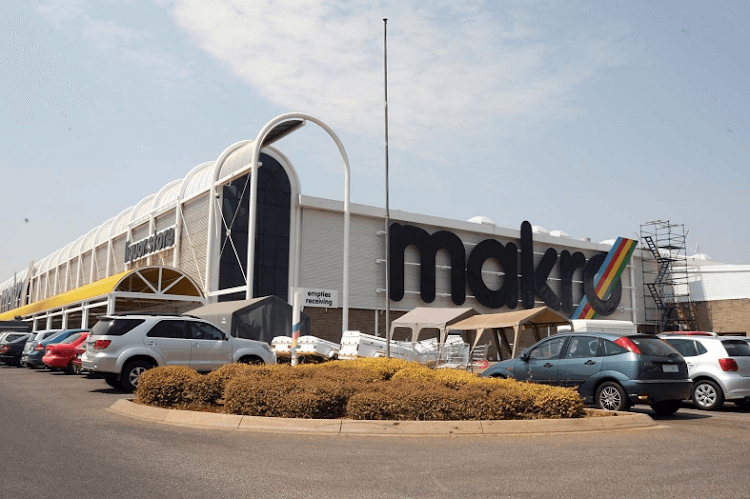
Massmart warns of almost R1.4bn loss as SA consumers struggle

byadmin
30/01/2020

Walmart-owned retailer Massmart, whose brands include Makro and Game, warned on Thursday it had swung into a loss in its...

Next Post

Tobacco lobby holding back smoking ban in China

  • Terms and Conditions
  • Disclaimer

© 2011 Customs Today -World's first newspaper on customs. Customs Today.

No Result
View All Result
  • Transfers and Postings
  • Latest News
  • Karachi
  • Islamabad
  • Lahore
  • National
  • Chambers & Associations
  • Business
  • About Us

© 2011 Customs Today -World's first newspaper on customs. Customs Today.