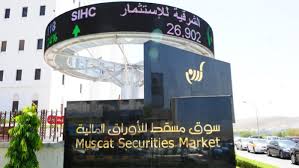
MUSCAT: Foreign investors are offloading shares on the Muscat Securities Market (MSM), which has resulted in a marginal dilution of non-Omani holdings on the local bourse. With a drop in crude oil and natural gas prices (which account for as high as 70 per cent of government revenue this year), foreign fund managers have reallocated their investment funds. “The overall non-Omani ownership in the Sultanate’s listed firms has declined to 27.17 per cent, from 27.80 per cent at the end of last year,” said Joice Mathew, head of research at United Securities. He further said the outlook of foreign investors on regional bourses has changed after a sluggish trend in the oil market. There could be some inter-regional portfolio reallocation, in the aftermath of a drop in oil prices. Funds could be going to Kuwait and Saudi bourses from Oman and Qatar. Within the Gulf Cooperation Council (GCC) region, Kuwait and the Saudi Arabia markets have attracted additional foreign portfolio investments in recent months. The Saudi bourse has announced several reforms to attract foreign investment. Foreign fund managers generally acquire blue chip stocks from regional bourses. In the case of MSM, the preferred stocks for foreign investors include Bank Muscat, Oman Telecommunications Company, National Bank of Oman, Ooredoo Oman and Bank Dhofar.
Foreign ownership in Bank Muscat’s shares has declined to 28.5 per cent now, from 30 per cent by the end of 2016. Likewise, the foreign stake in Oman Telecommunications Company stock declined to 4.1 per cent from 5.5 per cent by end-December, 2016. The MSM general index—MSM 30 Index—declined by 6.19 per cent or 358 points year-to-date to close at 5,423.91 points, mainly on account of a bearish trend in the oil market. Although, there was a recovery in oil prices, which is slightly below the $50 a barrel-mark, the market faces glut even now. The Oman bourse recovered almost 7 per cent in 2016, thanks to a recovery towards the end of the year. The MSM has 130 companies listed on the bourse. When foreign fund managers decide to acquire stocks from regional bourses, they consider the fundamentals of the individual stock and industry, rather than the respective country.


In fact, the first quarter performance of Oman’s listed companies was affected by an increase in corporate income tax, a rise in natural gas prices and a hike in electricity charges for large consumers. The newly introduced withholding tax on dividend income paid to foreigners at 10 per cent is also adversely affecting the attractiveness of Omani market among the foreign investors. Oman’s listed companies have already debited 10 per cent of dividend income payable to foreign persons, which includes expatriates living in the country. An increase in royalty paid by telecommunication service providers—Oman Telecommunications Company and Ooredoo Oman—has also affected their net earnings in the first quarter.