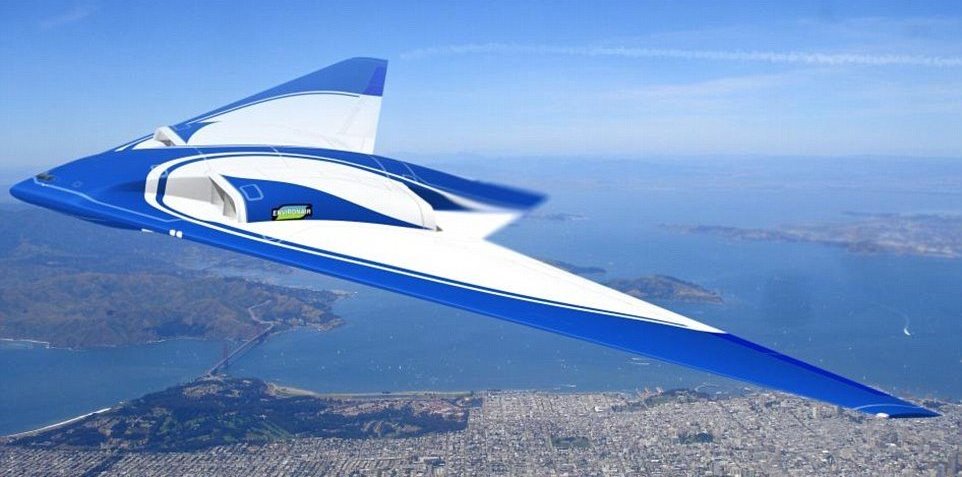
WASHINGTON: Nasa is working on futuristic supersonic planes having radical ‘hybrid wing body’ and revealed some designs of such planes that will make travelling around the world faster and more fuel efficient.
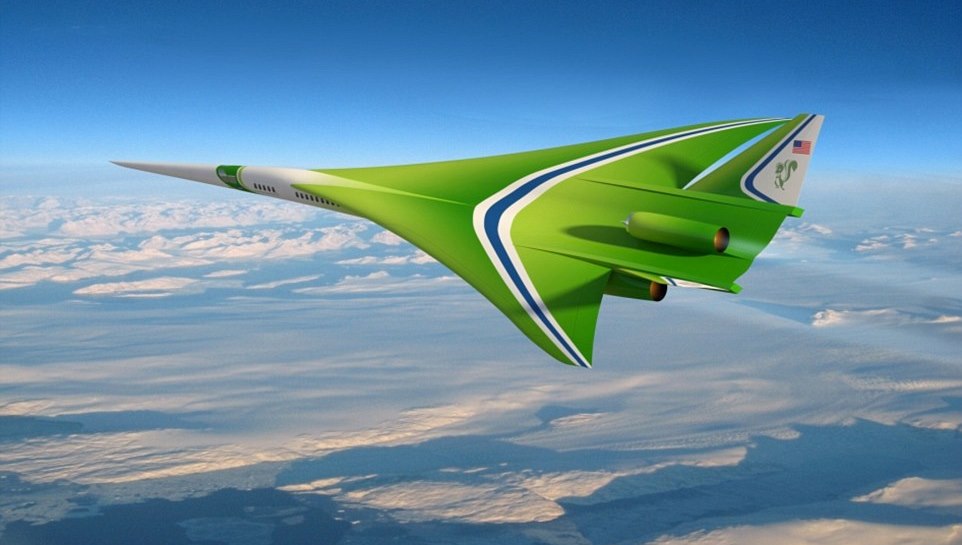


Our ability to fly at supersonic speeds over land in civil aircraft depends on the ability to reduce the level of sonic booms. Nasa has been exploring a variety of options for quieting the boom, starting with design concepts and moving through wind tunnel tests to flight tests of new technologies. This rendering of a possible future civil supersonic transport shows a vehicle that is shaped to reduce the sonic shockwave.
Its archive of designs reveals just how different planes may appear in as little as ten years, with radical designs featuring needle-like bodies, sleek fuselages and delta wings. One of the most popular designs is something called the ‘hybrid wing body,’ which is sometimes described as a blended wing body, according to a report in Gizmodo.
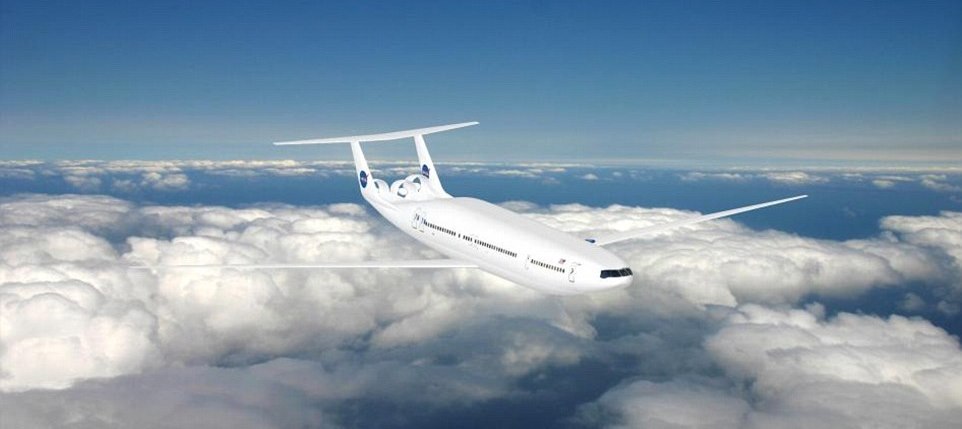
The ‘double bubble’ D8 Series future aircraft design concept comes from the research team led by the Massachusetts Institute of Technology. Based on a modified tube and wing with a very wide fuselage to provide extra lift, its low sweep wing reduces drag and weight; the embedded engines sit aft of the wings. The D8 series aircraft would be used for domestic flights and has been designed with a 2030-2035 timeframe.
In this design, the wing blends seamlessly into the body of the aircraft, which makes it extremely aerodynamic and creates dramatic cuts in fuel consumption, noise and emissions.
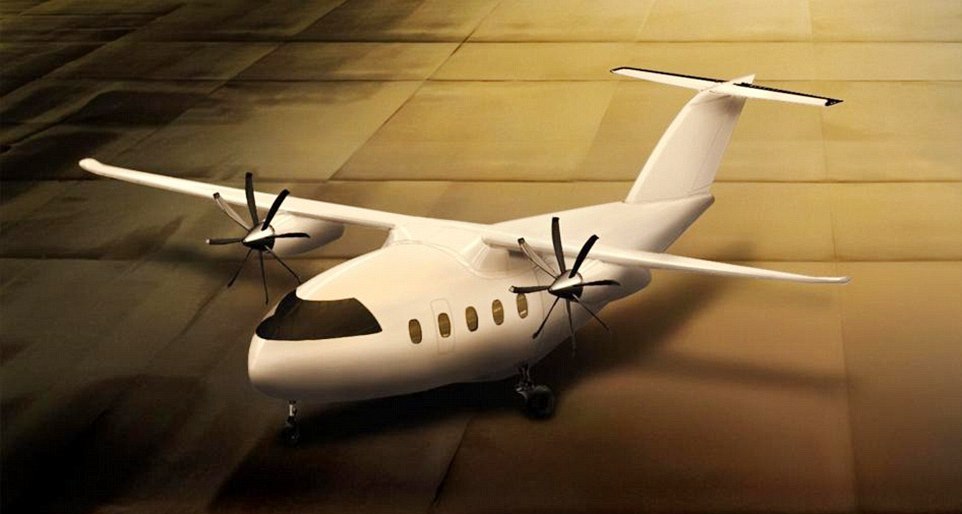
This future aircraft design concept comes from the research team led by GE Aviation. Much lighter and more aerodynamic than current aircraft with the same capacity, the 20-passenger aircraft would reduce fuel consumption and noise and enable business jet-like travel between more than 1,300 airports. It features ultra-quiet turboprop engines and virtual reality windows.
In 2012, Nasa successfully tested the X-48C – a ‘hybrid wing-body’ plane with a greater internal volume for passengers and cargo. The triangle-shaped plane is reminiscent of spy planes and designed to cut through the air more efficiently. With a 21 ft (6.54 metre) wingspan, the aircraft was an 8.5 per cent scale model of a heavy-lift, subsonic airplane with a 240-foot wingspan that could be developed in the next 15 to 20 years for military applications.
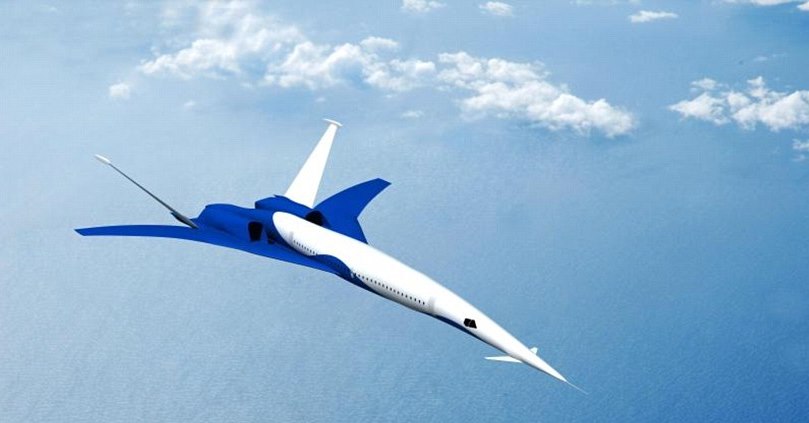
The ‘Icon-II’ future aircraft design concept for supersonic flight over land was created by Boeing with the help of Nasa. Its design is meant to save fuel. It also achieves large reductions in sonic boom noise levels that will meet the target level required to make supersonic flight over land possible.
This is radically different to the ‘double bubble’ D8 Series future aircraft design concept which comes from a research team led by the Massachusetts Institute of Technology. Based on a modified tube and wing with a very wide fuselage to provide extra lift, its low sweep wing reduces drag and weight; the embedded engines sit aft of the wings.
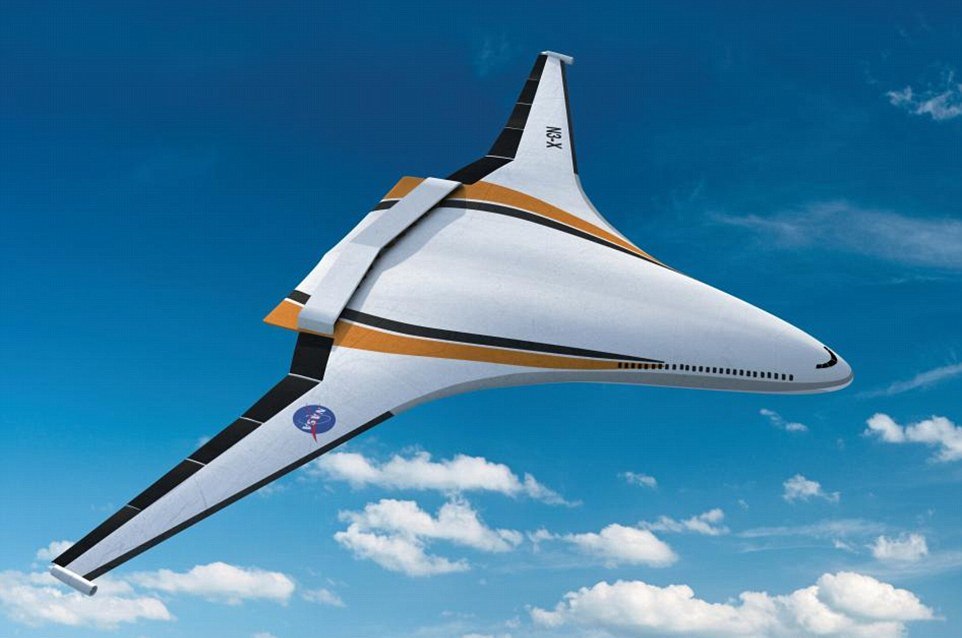
This idea for a possible future aircraft is called a ‘hybrid wing body’ or sometimes a blended wing body. In this design, the wing blends seamlessly into the body of the aircraft, which makes it extremely aerodynamic and holds great promise for dramatic reductions in fuel consumption, noise and emissions.
‘The idea there is to take some of the lift that you would normally get from the wings and try and move that to the fuselage,’ said Michael Rogers, a research at Nasa’s Ames Research Centre. ‘Another thing that’s done to enable laminar flow on this vehicle is to reduce the sweep of the wings. It is easier to maintain laminar flow if the wings, instead of being swept back like a lot of modern commercial transports, are more sort of perpendicular to the side of the body of the plane.
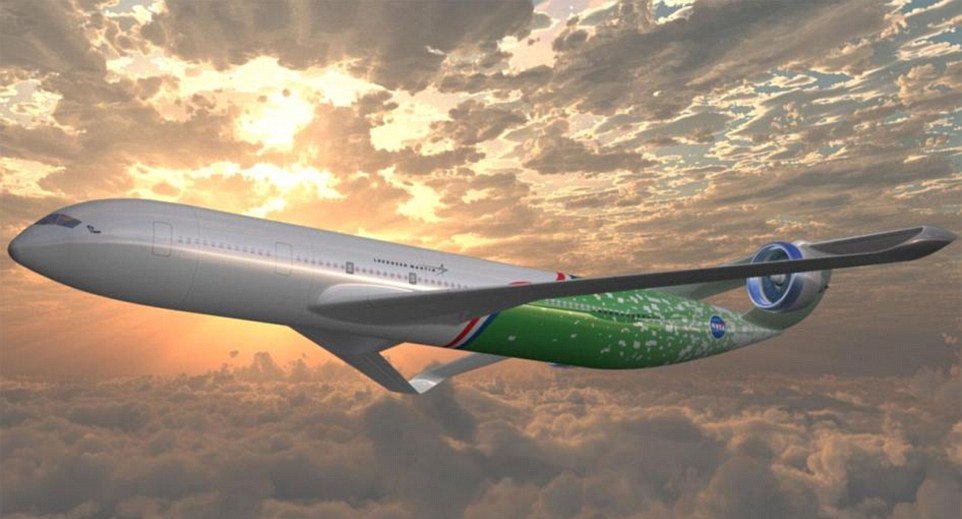
This artist’s concept shows a possible future subsonic aircraft using a boxed- or joined-wing configuration to reduce drag and increase fuel efficiency. This design of an aircraft that could enter service in the 2020 timeframe.
COULD THE FUTURE OF AIR TRAVEL BE HYPERSONIC?
Supersonic could be superseded by something even faster. Mach 2.5 is about the speed limit for gas-turbine engines. Any faster and the temperature and pressure of air entering the engine is too high for the turbo machinery inside. To fly at hypersonic speed – Mach 5 and above – requires a different type of engine.
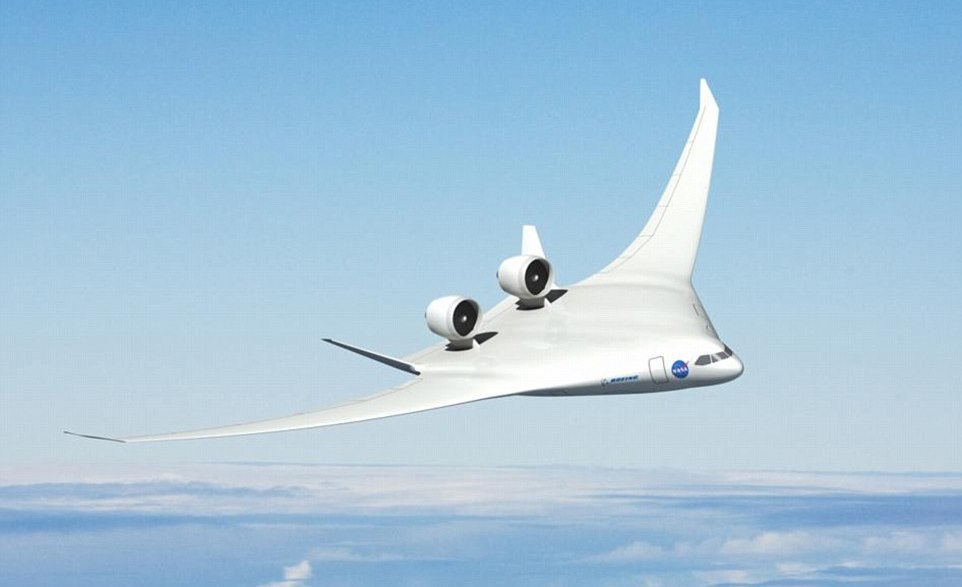
Boeing’s advanced vehicle concept centers around the familiar blended wing body design like the X-48. What makes this design different is the placement of its Pratt & Whitney geared turbofan engines on the top of the plane’s back end, flanked by two vertical tails to shield people on the ground from engine noise.
A supersonic-combustion ramjet, or scramjet, has no moving parts. Instead of the rotating compressor and turbine in a jet engine, air is compressed and expanded by complex systems of shockwaves under the front of the aircraft, inside the inlet and under the fuselage at the rear.
Scramjets have been under development for decades, but a breakthrough came in May 2013, when the US Air Force Research Laboratory’s Boeing X-51A WaveRider flew for 240 seconds over the Pacific on scramjet power, reaching Mach 5.1 and running until its fuel was exhausted.
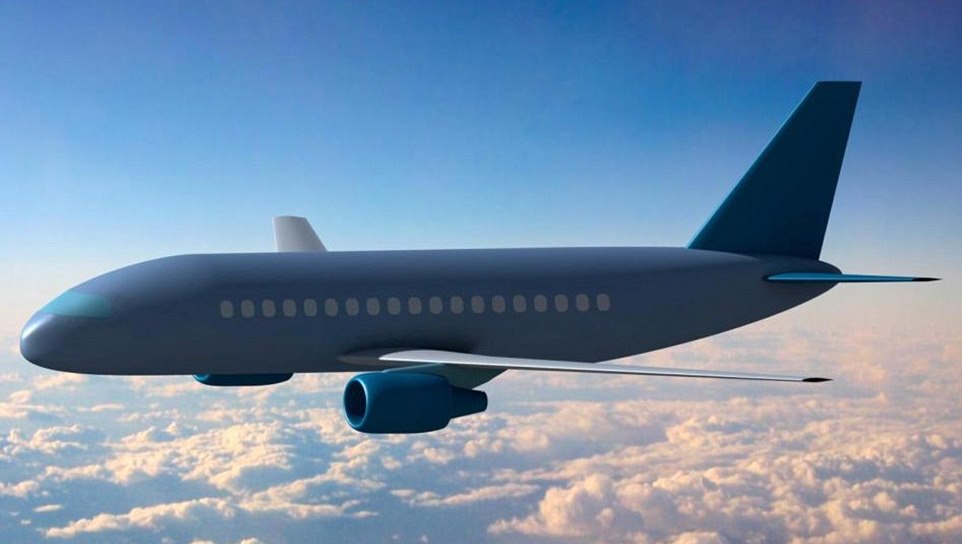
The Silent Efficient Low Emissions Commercial Transport, or Select, future aircraft design comes from the research team led by Northrop Grumman Systems Corporation.Deceptively conventional-looking, the concept features advanced lightweight ceramic composite materials and nanotechnology and shape memory alloys.
The next step is to build a high-speed cruise missile, able to strike distant targets in minutes, not hours. Lockheed Martin’s Skunk Works – builder of the Mach 3.5 SR-71 Blackbird spyplane – has unveiled plans to develop a successor, dubbed the SR-72.
Designed for reconnaissance and strike missions, the SR-72 would combine turbojet and ramjet/scramjet engines to enable the aircraft to take off from a runway, accelerate to a Mach 6 cruise, and then return to a conventional runway landing.
If it can secure funding from the US Defense Department, Lockheed Martin believes a prototype could be flying as soon as 2023 and the SR-72 could enter service by 2030, potentially paving the way for commercial applications of scramjet technology.