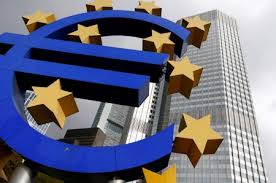
BERLIN: German inflation hit its highest level in five years in 2017, initial data showed on Friday, sowing the seeds of more discord among rate setters at the European Central Bank, where some policymakers want to stop pouring money into the euro zone. Consumer prices harmonized to make them compatible with inflation data in other European Union countries rose by 1.6 percent year-on-year in December, compared to the 1.4 percent forecast by analysts polled by Reuters. “This is the correction to the inflation course desired by the ECB,” said Alexander Krueger of Bankhaus Lampe. “And it is sustainable.”
On the month, prices in Europe’s largest economy rose by 0.8 percent compared to November, faster than the 0.6 percent increase expected by analysts. German inflation figures are closely watched because of their influence on the ECB’s monetary policy. The German economy is firing on all cylinders with both consumption and exports providing impulses this year, unfazed by political uncertainty created by Chancellor Angela Merkel’s failure to form a government after an election in September. Some economists say the ECB’s low interest rate environment risks causing the German economy to overheat. The ECB says its policy is tailored for all 19 member states that use the euro.
Merkel’s conservatives, who in January will launch talks with the center-left Social Democrats on renewing a coalition that has ruled Germany since 2013, have promised to cut taxes.
The Ifo economic institute warned on Friday that tax cuts would raise the risk of overheating as consumers will have more money to spend, providing even more fuel to the German economic engine.