
Customs Today
  • Home
  • Islamabad
  • Karachi
  • Lahore
  • National
  • Transfers and Postings
  • Chambers & Associations
  • Business
No Result
View All Result
Customs Today
  • Home
  • Islamabad
  • Karachi
  • Lahore
  • National
  • Transfers and Postings
  • Chambers & Associations
  • Business
No Result
View All Result
Customs Today
No Result
View All Result
Home International Customs India

India multinationals faced shifting tax landscape in 2017

byCT Report
03/01/2018
in India
Share on FacebookShare on Twitter

MUMBAI: The Indian tax landscape changed significantly for multinationals in 2017 with the adoption of new laws incorporating the OECD/G20 base erosion profit shifting (BEPS) plan agenda and the government’s issuance of a series of circulars on controversial topics such as the general anti-avoidance rule (GAAR) and Indian tax residence.

The Indian courts also made their mark in 2017, particularly in the area of when a foreign firm has a permanent establishment (PE) in India.

You might also like

DRI busts smuggling rackets, seizes 31kg gold

03/02/2020

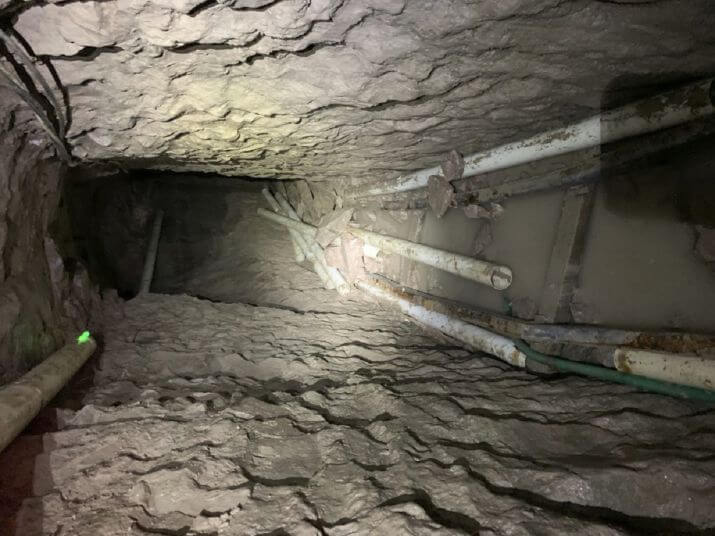
Longest smuggling tunnel, larger than 14 football fields, discovered on US-Mexico border

30/01/2020

hese provisions, originally introduced in the Income Tax Act, 1961 (ITA) by the Finance Act, 2012, confer unprecedented broad powers to the tax authorities to deny tax benefits, including tax benefits applicable under tax treaties, if the tax benefits arise from arrangements that are ‘impermissible avoidance arrangements.’

India’s Central Board of Direct Taxes (CBDT) on January 27, 2017, released a circular clarifying the GAAR after considering the submissions of a working group which took into account public comments. Through the GAAR circular, the CBDT expressed its view that GAAR provisions may still be invoked in cases which there exist special anti-avoidance rules (SAARs) or where arrangements are covered under India’s double taxation avoidance agreement with a limitation on benefits (LOB) clause. The CBDT said special anti-avoidance rules and LOB provisions are inadequate to address all situations of tax abuse. Further, the CBDT declined requests to clarify that GAAR provisions should not apply in case of long standing structures.

Also, in a disappointing move, the CBDT has stopped short of fully exempting court-sanctioned mergers/ demergers from the ambit of GAAR by adding a caveat that only where the tax implications of such an arrangement have been “explicitly and adequately” considered by the courts will GAAR not be applicable. Use of such ambiguous language does not dispel the uncertainty faced by taxpayers.


Related Stories

DRI busts smuggling rackets, seizes 31kg gold

byadmin
03/02/2020

VIJAYAWADA: The Directorate of Revenue Intelligence (DRI) seized 31.5 kg gold worth 13.3 crore in the last three days. DRI...

Longest smuggling tunnel, larger than 14 football fields, discovered on US-Mexico border

byadmin
30/01/2020

The longest smuggling tunnel has been discovered by the US authorities on the Southwest border, which stretches more than three-quarters...

Two excise men held for booze smuggling links

byadmin
21/01/2020

PATNA: In a first-of-its-kind case since prohibition was imposed in the state, two excise officials have been arrested for links...

Gold smuggling on the rise as high prices boost appeal in India

byadmin
13/01/2020

NEW DELHI: Illegal inflows have jumped after the Indian government increased import taxes in July and prices surged to record...

Next Post

South Korea sets out year tax policy direction

  • Terms and Conditions
  • Disclaimer

© 2011 Customs Today -World's first newspaper on customs. Customs Today.

No Result
View All Result
  • Transfers and Postings
  • Latest News
  • Karachi
  • Islamabad
  • Lahore
  • National
  • Chambers & Associations
  • Business
  • About Us

© 2011 Customs Today -World's first newspaper on customs. Customs Today.