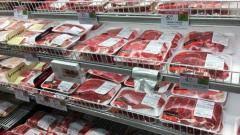
NEW YORK: The United States reclaimed its spot as the top beef exporter to South Korea in 2017, 14 years after a U.S. outbreak of mad cow disease led to a ban on American beef and handed market leadership to rival Australia.U.S. beef shipments jumped 13.7 percent last year to 177,445 tonnes, accounting for nearly half of South Korea’s beef imports, customs data showed on Monday. Australian shipments eased about 4 percent to 172,804 tonnes. The North Asian country, where beef is a mainstay of the local diet, is the world’s fourth-biggest beef importer and was the third biggest buyer of U.S. beef in 2016, worth around $1 billion, according to U.S. industry data. U.S. imports have been regaining ground since a 2003 ban on American beef following an outbreak of mad cow was first lifted four years later, although the recovery has been dented by occasional health scares. U.S. beef shipments to Korea for 2017 rose to over $1.1 billion, Korea’s customs data showed, and are expected to cement their top position this year. U.S. beef imports surpassed Australian beef imports in 2017 and the reason behind that was Australia’s drought in 2017 and a tariff gap between the U.S. and Australia,” said Kim Kyung-hoon, a senior researcher at the Korea Trade and Investment Promotion Agency.
U.S. beef will attract a 21.3 percent tariff in 2018 while the tariff for Australian beef will be 26.6 percent, according to Korean government data. As the tariff gap will be maintained, the ranking won’t be easily changed,” said Kim. Under existing bilateral trade agreements, South Korea’s import duties on U.S. beef will be eliminated by 2026 and for Australian beef by 2028.