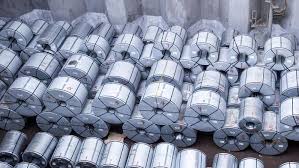


NEW YORK: US steel importers and exporters, and the American Iron and Steel Institute (AISI), representing domestic steelmakers, have opposing perspectives on the recently completed Section 232 steel import investigation. The US Commerce Department submitted its report on the nine-month investigation to President Donald Trump late last week and the two groups addressed the focus of the investigation — the impact of steel imports on US national security. In a statement issued Tuesday, the AIIS said Trump “would do well to remember the value that quality affordable steel produced overseas provides to this country and the costs that would be incurred by restricting their import.” The AIIS noted that while steel is critical to national security, as it is found in defense and weapons systems and critical national infrastructure, “defense accounts for only about 3% of the nation’s total steel consumption. In a crisis, then, domestic manufacturers could, if necessary, boost their production to meet any new requirements. Even in the event of a crisis, though, there is little reason to think that the supply of foreign steel would be cut off, since most imports come from friendly nations.” AISI President Tom Gibson pointed out that the standard for the investigation is that imports threaten to impair national security and national security is a broader concept than direct national defense needs. It certainly includes direct defense needs and consumption by the military – ship building and tanks and all the various direct military needs that require steel – but it also includes our national economic security – our critical infrastructure, our electrical infrastructure, our energy transportation infrastructure including pipe lines, our roads, our bridges, rail, all of that is clearly national infrastructure,” Gibson said in a recent interview with S&P Global Platts. The interstate system is the national defense highway system after all, so all of that transportation infrastructure is critical to our national security.” The AIIS countered that imposing tariffs and/or quotas on steel imports would invite retaliation by other countries. “One does not need to be an expert on the early-20th century Smoot-Hawley Tariff Act to know that abandoning the principles of free trade can spark a trade war and, potentially, a global recession or worse,” the steel traders group stated. “Economic instability is often a proximate cause for violent conflict.
NH&C Ministry, LCCI to jointly promote creative economy: Aurangzeb Khichi
LAHORE:Ministry for National Heritage & Culture (NH&C) and Lahore Chamber of Commerce and Industry (LCCI) will work together to promote...