Customs Today
  • Home
  • Islamabad
  • Karachi
  • Lahore
  • National
  • Transfers and Postings
  • Chambers & Associations
  • Business
No Result
View All Result
Customs Today
  • Home
  • Islamabad
  • Karachi
  • Lahore
  • National
  • Transfers and Postings
  • Chambers & Associations
  • Business
No Result
View All Result
Customs Today
No Result
View All Result
Home Latest News

Iran central bank governor warns speculators they face losses betting against rial

byCT Report
23/01/2018
in Latest News
Share on FacebookShare on Twitter

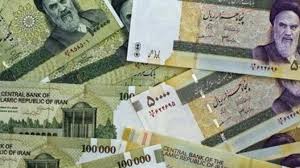
TEHRAN: Iran’s central bank chief on Monday warned investors speculating on the fall of the rial that they were heading for losses because his bank could control the foreign exchange market and the currency was likely to rebound in the next couple of months.

Goveror Valiollah Seif was quoted by Iran’s Tasnim news agency as the rial sank to record lows versus the dollar, pulled down in part by concern about the fate of Tehran’s nuclear deal with world powers.


You might also like

Pakistan eyes $25m annual buffalo genetics exports to China

11/06/2026
Laden Pakistani trucks are seen near Torkham, close to the Pakistan-Afghanistan border, on April 14, 2017, a day after the US military dropped a largest non-nuclear bomb on an Islamic State complex in Afghanistan.


Trade in and out of Afghanistan from Pakistan appeared to be flowing as normal, however, with traffic at the Torkham border crossing apparently undisturbed,  despite the historic detonation roughly 50 kilometres away. / AFP PHOTO / ABDUL MAJEED        (Photo credit should read ABDUL MAJEED/AFP via Getty Images)

Afghan route closure weighs on Pakistan-Central Asia trade, exports fall 9%, imports plunge 88%

11/06/2026

“Those who are investing their resources in foreign exchange will suffer losses in the end,” Seif said, adding that rising oil prices had given Iran more resources to support its currency.

“Since the price of oil has reached $70 per barrel, there is no reason to see long-term fluctuations in foreign exchange rates,” Seif said.

The rial dropped to around 46,500 against the dollar in the free market on Monday from about 45,750 on Sunday and 37,700 in mid-2017, according to traders.

Since last year, the central bank has been engineering a gradual depreciation of the rial to compensate for Iran’s high inflation rate and to help to make exports more competitive.

But the rial’s drop has accelerated in the past several weeks, posing a challenge for authorities, who have just finished containing a wave of popular protests — against economic hardship and corruption — that spread to over 80 cities and towns and resulted in 25 deaths.

Too much currency weakness could increase discontent by boosting inflation, which is running at nearly 10 percent, and erode the incomes of ordinary Iranians.

One reason for the rial’s slide is seasonal demand for dollars, which tends to increase around this time of year as Iranians travel abroad, commercial bankers say.

But the currency has also been weakend by the popular protests and worries that Iran’s economic ties with foreign countries could be damaged further if the United States pulls out of the agreement on Tehran’s nuclear programme.

US President Donald Trump said earlier this month that European allies and Congress had to work with him to fix “the disastrous flaws” in the pact or face a US exit. Trump wants it strengthened with a separate agreement within 120 days.

Many private economists think Iran can prevent any uncontrolled slide of its currency. Its official foreign reserves were estimated by the International Monetary Fund at over $130 billion early last year, and since then rising oil prices have probably increased them.

But the rial’s volatility in the last few weeks has underlined the tough task which the central bank faces as it manages the currency.

“They have to consider many factors – inflation, the wishes of lower-income Iranians, the wishes of the business community, and the geopolitics,” said one Iranian banker. “It is not a simple process.”
Related Stories

Pakistan eyes $25m annual buffalo genetics exports to China

byCT Report
11/06/2026

ISLAMABAD: Pakistan has signed a Material Transfer Agreement (MTA) with China's Royal Group to export buffalo genetic material, opening a...

Laden Pakistani trucks are seen near Torkham, close to the Pakistan-Afghanistan border, on April 14, 2017, a day after the US military dropped a largest non-nuclear bomb on an Islamic State complex in Afghanistan.


Trade in and out of Afghanistan from Pakistan appeared to be flowing as normal, however, with traffic at the Torkham border crossing apparently undisturbed,  despite the historic detonation roughly 50 kilometres away. / AFP PHOTO / ABDUL MAJEED        (Photo credit should read ABDUL MAJEED/AFP via Getty Images)

Afghan route closure weighs on Pakistan-Central Asia trade, exports fall 9%, imports plunge 88%

byCT Report
11/06/2026

ISLAMABAD: Pakistan's trade with five Central Asian countries came under pressure in the first 10 months of FY2025-26 following the...

PTBA raises legal concerns over fixed tax scheme for small shopkeepers

byCT Report
11/06/2026

ISLAMABAD: The Pakistan Tax Bar Association (PTBA) has expressed serious legal and procedural concerns regarding the Fixed Tax Scheme (FTS)...

LHC rejects plea to suspend agricultural tax notifications

byCT Report
11/06/2026

LAHORE: The Lahore High Court on Wednesday turned down a request to suspend the impugned notifications about agricultural tax and...

Next Post

US tightens rules on Middle East air cargo

  • Terms and Conditions
  • Disclaimer

© 2011 Customs Today -World's first newspaper on customs. Customs Today.

No Result
View All Result
  • Transfers and Postings
  • Latest News
  • Karachi
  • Islamabad
  • Lahore
  • National
  • Chambers & Associations
  • Business
  • About Us

© 2011 Customs Today -World's first newspaper on customs. Customs Today.