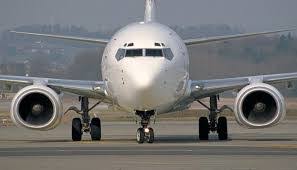


CAPE TWON: African states, including South Africa, Nigeria and Kenya, have launched a single aviation market in a bid to boost connectivity, reduce fares and stimulate economic growth on a continent widely considered the most expensive and inconvenient to fly around. Three decades after the concept was first proposed, the 55-member African Union on Sunday unveiled the first phase of the Single African Air Transport Market. Officials hope it will eventually replicate the European Common Aviation Area, which allows airlines from member states to fly between any member state. Airline executives and industry analysts welcomed the move as a “seismic event” but cautioned that much more work was needed to create genuinely open skies in Africa. Africa accounts for about 15 per cent of the world’s population but only 3 per cent of the world’s aviation traffic, according to the International Civil Aviation Organisation, a UN agency. “The continent is beset by airlines that are government owned, incredibly inefficient arms of the state and not really fit for commercial purpose and the travelling public suffer as a result,” said Tim Coombs, managing director of Aviation Economics, a London-based consultancy. Please use the sharing tools found via the email icon at the top of articles.
Share on Facebook (opens new window) Share on LinkedIn (opens new window) Save Save to myFT John Aglionby in Addis Ababa YESTERDAY 1 Twenty-three African states, including South Africa, Nigeria and Kenya, have launched a single aviation market in a bid to boost connectivity, reduce fares and stimulate economic growth on a continent widely considered the most expensive and inconvenient to fly around. Three decades after the concept was first proposed, the 55-member African Union on Sunday unveiled the first phase of the Single African Air Transport Market. Officials hope it will eventually replicate the European Common Aviation Area, which allows airlines from member states to fly between any member state. Airline executives and industry analysts welcomed the move as a “seismic event” but cautioned that much more work was needed to create genuinely open skies in Africa. Africa accounts for about 15 per cent of the world’s population but only 3 per cent of the world’s aviation traffic, according to the International Civil Aviation Organisation, a UN agency. “The continent is beset by airlines that are government owned, incredibly inefficient arms of the state and not really fit for commercial purpose and the travelling public suffer as a result,” said Tim Coombs, managing director of Aviation Economics, a London-based consultancy. Connectivity between some nations is so poor the easiest way to travel from one country to another is often to fly via Europe or the Middle East. Share this graphic David Kajange, the head of the AU’s transport and tourism division and one of the single market’s architects, said: “The cost benefit analysis of protecting a few jobs compared with the total economic benefits of opening up is just not there. “Aviation is a luxury product in Africa but in the US and Europe anyone can go anywhere for a weekend. That’s what we want here.” A 2015 study commissioned by the African Civil Aviation Commission and the International Air Transport Association, a trade body of almost 300 airlines, estimated that full liberalisation of the sector among 12 of the biggest economies on the continent would add $1.3bn to their economic output, and generate 155,000 new jobs and fare decreases of up to 35 per cent. Mr Kajange said he hoped fares would fall by as much as 30 per cent over time, particularly as airlines become free to expand routes between second and third-tier cities. “We’ve come to realise that if you liberalise you create the business conditions for investors to exploit those opportunities, the secondary markets,” he said. The new market dates back to 1988 when some African countries agreed to liberalise the aviation sector. This was formalised in the 1999 Yamoussoukro Decision, in which 44 states agreed to start liberalising air transport, but it has never been implemented until now. Nico Bezuidenhout, chief executive of Fastjet, a London-listed airline operating in southern Africa, said: “In an African regulatory context [the new market] is a seismic event.

lamic banking assets reach Rs14.47 trillion, sector share rises to 23%
KARACHI: Pakistan’s Islamic banking sector expanded during 2025, increasing its share in the country’s financial system with assets reaching nearly...