Customs Today
  • Home
  • Islamabad
  • Karachi
  • Lahore
  • National
  • Transfers and Postings
  • Chambers & Associations
  • Business
No Result
View All Result
Customs Today
  • Home
  • Islamabad
  • Karachi
  • Lahore
  • National
  • Transfers and Postings
  • Chambers & Associations
  • Business
No Result
View All Result
Customs Today
No Result
View All Result
Home International Customs Kuwait

Kuwait cabinet approves budget with $16.7bn shortfall

byCT Report
30/01/2018
in Kuwait
Share on FacebookShare on Twitter

You might also like

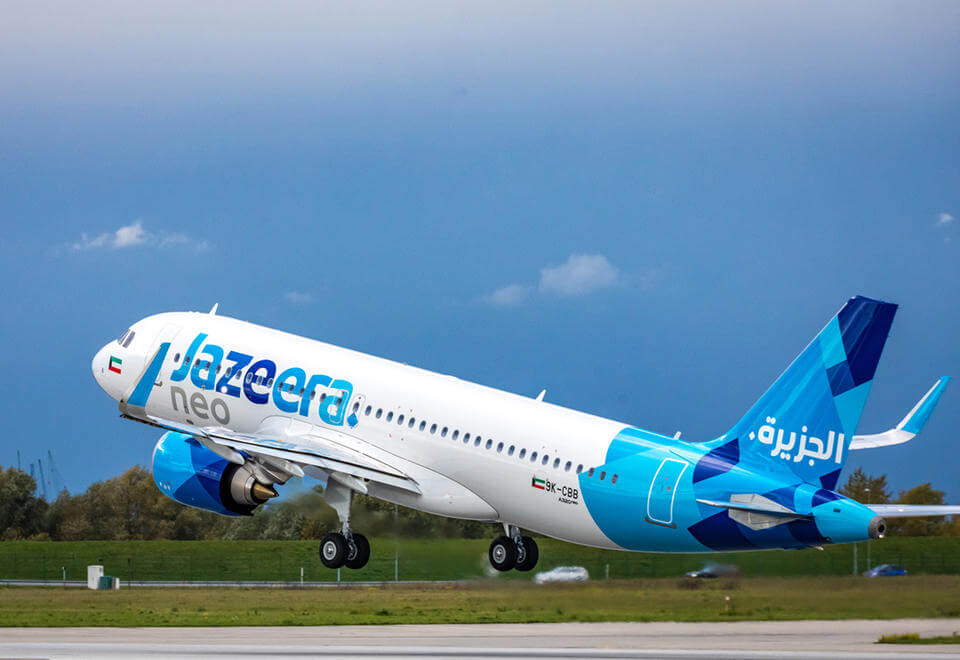
Kuwait’s Jazeera Airways inks $1.3 billion engines deal

04/02/2020

Proposed Kuwait metro to stretch over 160 kms, host 68 stations

23/01/2020

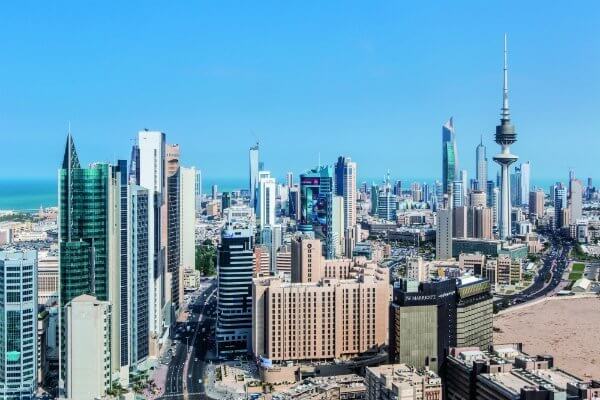
KUWAIT CITY: Kuwait yesterday approved its budget for the 2018-2019 fiscal year, projecting a huge deficit for the fourth year in a row because of low oil prices.
Next year’s deficit is estimated at $16.7bn, or 13.5% of the Opec member’s gross domestic product.
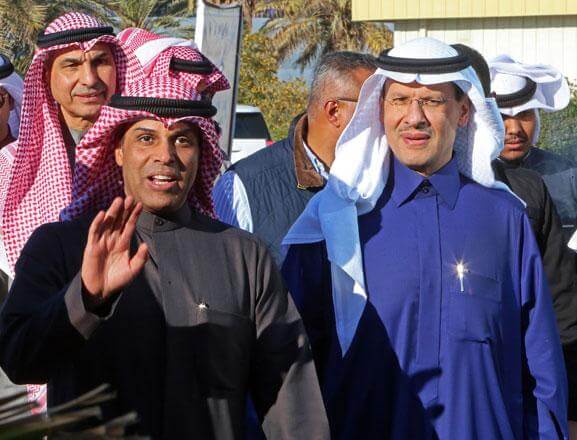
Finance Minister Nayef al-Hajraf told a press conference the government will withdraw from the state reserve fund and borrow on the domestic and international debt markets to finance the shortfall.
After posting healthy surpluses for 16 successive years, Kuwait has posted a budget deficit in each of the past three years after oil prices began to slide in mid-2014.
Al-Hajraf said the new budget projects revenues at $50bn, up 12% on last year’s estimates after the oil price rose from $45 to $50 a barrel.
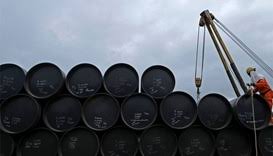
Oil income is estimated at $44.3bn on a daily production of 2.8mn barrels. Spending is projected at $66.7bn, marginally higher than last year, the minister said. He said government wages and subsidies account for 73% of the budget which takes effect on April 1.
It still has to be passed by parliament.
Just 18% of spending will go on development projects, al-Hajraf said.
He said Kuwait will not impose value-added tax or other taxation without parliamentary approval.
Only Saudi Arabia and the UAE have implemented a pan-Gulf decision to impose VAT from this year.
But al-Hajraf said the government may raise charges on public services to boost non-oil revenues.
Like other Gulf states, which rely heavily on oil income, Kuwait has imposed measures such as raising power and fuel prices to boost revenues.
The emirate has a sovereign wealth fund worth more than $600bn.
Related Stories

Kuwait’s Jazeera Airways inks $1.3 billion engines deal

byadmin
04/02/2020

Kuwait-based Jazeera Airways has signed an agreement with CFM International to support the LEAP-1A engines that power the airline’s fleet...

Proposed Kuwait metro to stretch over 160 kms, host 68 stations

byadmin
23/01/2020

Kuwait’s Public Authority for Roads and Transport (PART), announced its plans for new construction projects that include features of the...

NEW YORK, NY - JANUARY 10: A screen displays Industrials Average after the close on the floor of the New York Stock Exchange (NYSE) on January 10, 2020 in New York City. Amid new sanctions on Iran and 145k more U.S. jobs added and wage growth in December, the Dow topped the 29,000 milestone before pulling back to 28,823.77.   Kena Betancur/Getty Images/AFP

Middle East tensions could impact markets after strong end to 2019

byadmin
14/01/2020

KUWAIT: Financial markets enjoyed a strong end to 2019 with the US S&P equity index up 3 percent m/m and...

Saudi Arabia, Kuwait ink deal to resume joint oil output

byadmin
30/12/2019

KUWAIT CITY: Saudi Arabia and Kuwait signed an agreement to resume pumping at two major oilfields in a shared neutral...

Next Post

Iraq to comply with OPEC deal despite oil export capacity rise

  • Terms and Conditions
  • Disclaimer

© 2011 Customs Today -World's first newspaper on customs. Customs Today.

No Result
View All Result
  • Transfers and Postings
  • Latest News
  • Karachi
  • Islamabad
  • Lahore
  • National
  • Chambers & Associations
  • Business
  • About Us

© 2011 Customs Today -World's first newspaper on customs. Customs Today.