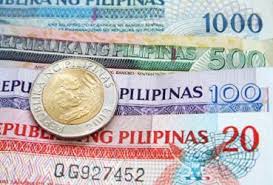
MANILA: Philippines last month hit its highest level for more than three years due to President Rodrigo Duterte’s new tax measures and poor weather, the economic planning agency said Tuesday. Inflation in January 2018 rose to an annualised 4.0 percent, the highest since the 4.3 percent posted in October 2014, the National Economic and Development Authority said. Duterte in December signed a tax reform law known by its acronym TRAIN and aimed at raising funds for his massive spending programme for new roads, railways, ports and airports.
It included a rise in the excise tax on coal, the fuel that runs almost half the country’s power plants, and tax increases on tobacco products, automobiles, petroleum products and even sweetened beverages.
“The push in inflation is partly due to TRAIN, considering particularly the excise on fuel and additional ‘sin’ taxes,” Economic Planning Secretary Ernesto Pernia said in a statement. Rising food and non-alcoholic beverage prices along with a series of typhoons late last year that crimped supplies of farm products, led to the higher inflation in January, he added.
The January figure remained within the government’s 2.0 to 4.0 percent inflation target for the whole of 2018. The Philippines posted 3.2 percent inflation for 2017. The government agency said the government must ensure “mitigation measures” such as financial aid to poor families, and clamp down on profiteering to cushion the effects of the tax measures.