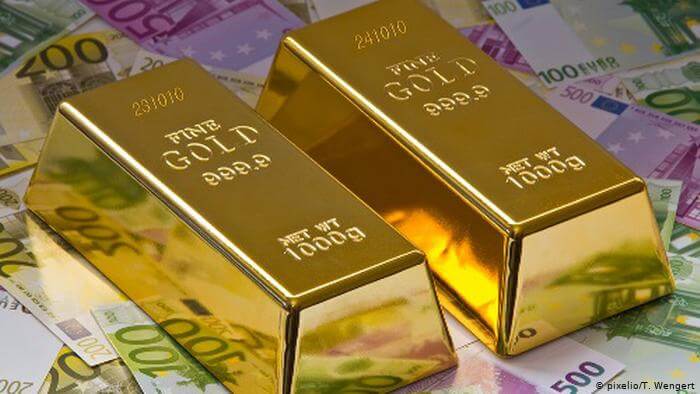
BERLIN: As expected, last Friday’s informal European Council of the 27 EU leaders didn’t produce any tangible result regarding its main agenda item; the future of Europe. The EU leaders just quarreled on who is to cover the hole in the budget, after Britain’s contribution ends with Brexit.
In relation to this perennial question of money though, there were some concrete revelations about who needs the European Union more. In any case, the Council discussed without much success the question of how to cover the EU budget gap which Brexit is going to leave. The real problem is how to finance the next long term EU fiscal plan for the period 2021-2027, without cutting down spending on key EU programs after losing UK’s contributions.
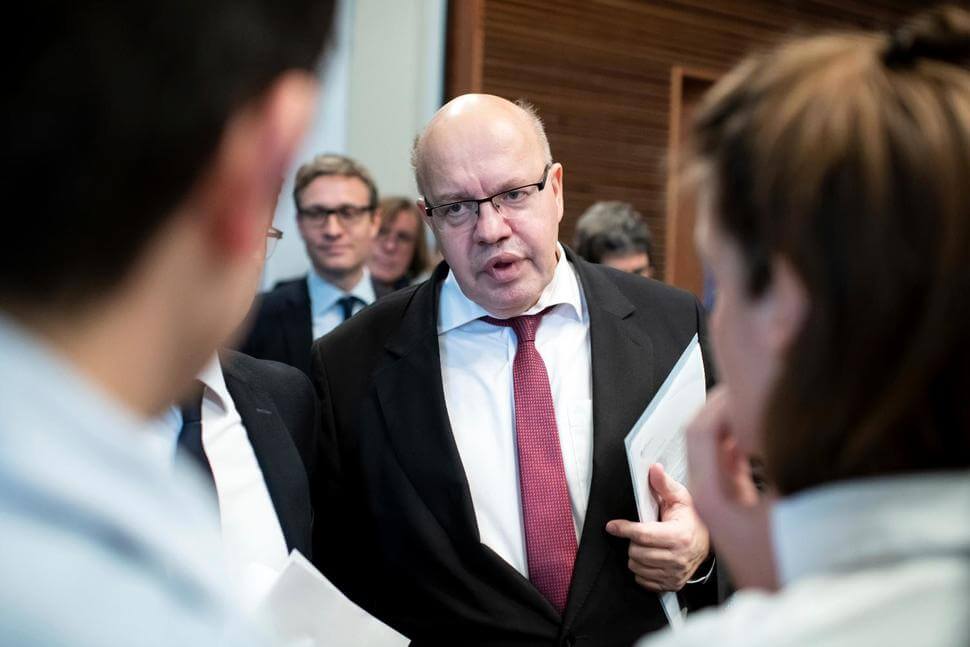
As a matter of fact, no answer was shaped in Brussels. Surprisingly enough, though, a response came from Berlin. German EU Commissioner Günther Oettinger gave an interview to the prestigious news group ‘Handelsblatt’ and said his country is ready to cover the financial gap Britain is to leave. Mind you, Oettinger is a long term adherent of the austere financial policy line. He comes from the right wing side of the conservative and neoliberal Christian Democratic Union party, not famous for their fiscal generosity either within Germany or more generally in the entire European Union. Wolfgang Schäuble, the architect of German economic policies during the last eight years gained his reputation as being the magpie of Eurozone.
So, Oettinger’s statement about covering the EU budget gap didn’t come out of generosity but from a pressing need to keep the European Union in one piece, in these difficult times of global uncertainties and international relations chaos. Not to say anything about the dark prospects of a wild Brexit, estimated to hurt Germany – the largest exporter of the world – more than others.
On top of that, there are the threats of Donald Trump’s America, reading to undermine the international trade relations system and also hurt the German exports more by imposing extra tariffs. In such a global environment Germany would badly need the internally fully liberated and unified EU single market, as a last resort for her exports and prosperity.
Coming back to the European Summit of 23 February, Donald Tusk, the President of the European Council, revealed that only a few member states are willing to contribute more money to the common budget, in order the gap after the Brexit is bridged.