MUMBAI: Economic Times reported that caught between logistical bottlenecks and surging demand from power plants, India will likely increase coal imports in 2018, industry executives said, in what would be a setback to the government’s plans to cut the country’s dependence on foreign supplies. The projected higher coal demand, which would reverse two years of declines, will be a boon for international miners such as Indonesia’s Adaro Energy, Australia’s Whitehaven Coal or global commodity merchant Glencore.
But, the country’s power plants and cement makers, the source of the resurgent demand, will end up eating the cost of the higher-priced imports.
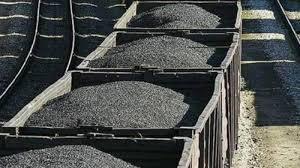
State-owned Coal India, the world’s second biggest coal miner by production, is grappling with a shortage of trains to carry the fuel from its mines to the country’s power plants, according to the minutes of government meeting held on a January 22 and reviewed by Reuters.
India’s thermal coal imports may rise as much as 4 percent this year, with a steady 3 percent to 5 % of growth expected over the next five years, a senior executive at Adani Enterprises, the country’s biggest coal trader, told Reuters.
Mr Rajendra Singh, Adani’s chief operating officer for coal trading said that “They (power plants) are not going to get the coal from Coal India as they were promised because of limitations on the infrastructure side.”
Mr Singh said that “Now, either you shut down, or you absorb the price (of imports).”
The train shortage in India has left about 10 power stations without spare coal supplies and 45 other plants with stockpiles that are less than seven days of consumption, the government meeting minutes showed. In a statement, Coal India said that the company was given a target of 288 trains of coal per day for the fiscal year ending March 2019. In February, the company is averaging 264.2 trains per day and reached a peak of 286 on a single day. The company also said that the start up of two new railway lines should add between eight to 10 trains.