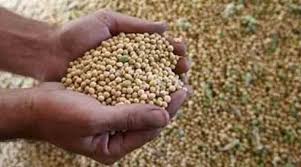
MUMBAI: Indian farmers are likely to expand soybean planting areas by nearly 15 percent after the government raised edible oil import tax to the highest level in more than a decade, lifting domestic oilseed prices to nearly two-year highs, a trade body said.
Higher production of the main summer-sown oilseed could help India, the world’s biggest vegetable oil importer, trim costly imports from Brazil, Argentina, Indonesia and Malaysia. It could also mean a boost in exports of soymeal, a key animal feed, to Asian buyers such as Japan, Vietnam and Bangladesh.


“Soybean has been giving farmers good returns,” Atul Chaturvedi, president of industry body Solvent Extractors Association of India, told Reuters in an interview.
“Due to the duty hike, soybean prices are…significantly above the (government-fixed) minimum support price,” Chaturvedi said. “The planting area could rise by 15 percent this year.”
Indian soymeal once accounted for nearly a quarter of all Southeast Asian imports, but the country’s share has been falling due to rising domestic soybean consumption amid stagnant production.
To support local oilseed farmers and curb rising imports of edible oils, India has raised import duty on palm oil, soyoil and other cooking oils to the highest level in over a decade.
After the hike, local soybean prices jumped to 3,895 rupees ($58.31) per 100 kg earlier this month, the highest level in nearly two years. The government-fixed support price for soybean was 3,050 rupees.
Soybeans were cultivated on 10.6 million hectares in 2017, down 8 percent from a year ago, data from the Ministry of Agriculture and Farmers Welfare showed.
Farmers in central India have been getting poor returns from pulses and this will prompt some of them to switch to soybean, said Sandeep Bajoria, chief executive of the Sunvin Group, a Mumbai-based vegetable oil importer.
Prices of summer-sown pulses like red gram have been trading below the government set price due to higher supplies, he said.
Most Indian farmers begin cultivating soybean, cotton and pulses, which are rain-fed crops, in June after the arrival of the monsoon rains.