Customs Today
  • Home
  • Islamabad
  • Karachi
  • Lahore
  • National
  • Transfers and Postings
  • Chambers & Associations
  • Business
No Result
View All Result
Customs Today
  • Home
  • Islamabad
  • Karachi
  • Lahore
  • National
  • Transfers and Postings
  • Chambers & Associations
  • Business
No Result
View All Result
Customs Today
No Result
View All Result

An expat’s guide to Swiss taxes

byCT Report
27/07/2018
in Uncategorized
Share on FacebookShare on Twitter

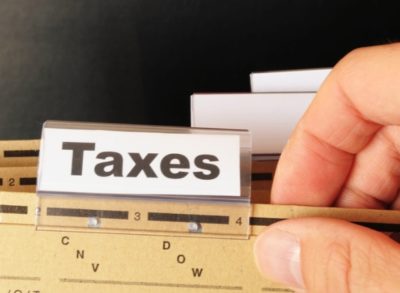
When do Swiss taxes apply? This guide explains the Swiss tax system, including Swiss tax rates, income tax calculations, how to file a Swiss tax return and applicable Swiss tax refunds for expats.
If you are a foreigner living and working in Switzerland, you will typically be liable to pay Swiss taxes. However, when filing your Swiss tax return, you may also be able to claim certain tax expenses and deductions as a foreigner.

The Swiss tax system is quite complex due to the federalist structure of Switzerland. There are 26 cantons and around 2,250 municipalities that levy their own income taxes, wealth taxes, inheritances taxes, property gains taxes and other taxes.

You might also like

Pakistan to receive 50,000 tons of fertilizer imports From Morocco

20/06/2026

FPCCI committee charts roadmap to boost trade, investment growth

20/06/2026

Certain circumstances dictate who needs to pay Swiss taxes, and at which tax rate in Switzerland, which are outlined below. Despite a complex tax system in Switzerland, this guide aims to help you navigate the maze of Swiss taxes.

Who needs to pay Swiss taxes?
Resident individuals or temporary residents in Switzerland are subject to unlimited Swiss tax liability. The same applies to Swiss resident legal entities. This means that Swiss taxes apply to worldwide income and assets.

Limited tax liability applies to non-residents and companies having economic relations to Switzerland. In these cases, the Swiss tax is levied only on specific items of income that originate in Switzerland.

Residence is defined as the place where a person stays with the intention of settling permanently and which therefore provides the centre of his/her personal and business interests. A person will also be considered resident for tax purposes if they remain in the country for a protracted period, typically more than 90 days (30 days if working), even if they are not engaged in gainful activity.

Companies are considered resident when either their registered office or their actual administration is in Switzerland.

Related Stories

Pakistan to receive 50,000 tons of fertilizer imports From Morocco

byCT Report
20/06/2026

KARACHI: Pakistan is set to receive a major shipment of phosphate-based fertilizers from Morocco as part of efforts to ensure...

FPCCI committee charts roadmap to boost trade, investment growth

byCT Report
20/06/2026

ISLAMABAD: The first meeting of the Federation of Pakistan Chambers of Commerce and Industry (FPCCI) Central Standing Committee-2026 on Import,...

Budget 2026-27: Khyber Pakhtunkhwa proposes major tax relief for low-income employees

byCT Report
20/06/2026

PESHAWAR: The Government of Government of Khyber Pakhtunkhwa has announced a wide-ranging tax relief package in its budget for the...

Kerosene prices slashed by Rs48.29 per litre in Pakistan

byCT Report
20/06/2026

ISLAMABAD: The federal government has reduced the price of kerosene oil following a series of cuts in petrol and diesel...

Next Post

Port officials discuss Brexit with French counterparts

  • Terms and Conditions
  • Disclaimer

© 2011 Customs Today -World's first newspaper on customs. Customs Today.

No Result
View All Result
  • Transfers and Postings
  • Latest News
  • Karachi
  • Islamabad
  • Lahore
  • National
  • Chambers & Associations
  • Business
  • About Us

© 2011 Customs Today -World's first newspaper on customs. Customs Today.