Customs Today
  • Home
  • Islamabad
  • Karachi
  • Lahore
  • National
  • Transfers and Postings
  • Chambers & Associations
  • Business
No Result
View All Result
Customs Today
  • Home
  • Islamabad
  • Karachi
  • Lahore
  • National
  • Transfers and Postings
  • Chambers & Associations
  • Business
No Result
View All Result
Customs Today
No Result
View All Result
Home International Customs South Africa

‘Unclear’ expropriation laws could put South African banks at huge risk

byadmin
19/11/2018
in South Africa
Share on FacebookShare on Twitter

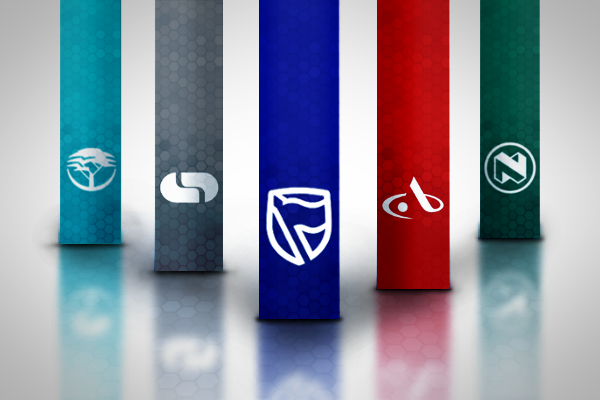
The Banking Association South Africa (BASA) has welcomed the decision to explicitly provide for the expropriation of land without compensation.

The association said that it supports land reform, and that South Africa has not adequately dealt with the consequences of land deprivation during apartheid and colonialism.


You might also like

lamic banking assets reach Rs14.47 trillion, sector share rises to 23%

07/03/2026
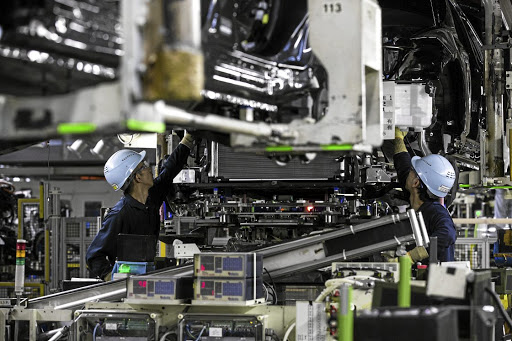
Toyota Motor Corp. employees work on the Crown vehicle production line at the company's Motomachi plant in Toyota City, Aichi, Japan, on Thursday, July 26, 2018. Toyota may stop importing some models into the U.S. if President Donald Trump raises vehicle tariffs, while other cars and trucks in showrooms will get more expensive, according to the automaker’s North American chief. Photographer: Shiho Fukada/Bloomberg

Toyota SA to invest over R4 billion in car assembly and parts

05/02/2020

“Land restitution, redistribution and security of tenure are means of providing vulnerable people with access to secure incomes and opportunities to create the generational wealth needed to correct the injustices of the past,” it said.

It further urged the Constitutional Review Committee, Parliament and the relevant government departments to expedite ‘crisp, clear policy and legislative frameworks in respect of expropriation without compensation, as soon as possible’.

“Care must be taken to ensure that any amendment to the Constitution does not weaken or reduce property rights in South Africa,” it said.

“An amendment that leaves all property or specific classes of property – homes, assets, intellectual property, productive agricultural property, among others – vulnerable to expropriation without compensation, would be a real risk to banks and the country’s ability to attract both local and international investment, grow an inclusive economy and create jobs.”

BASA said that it has put forward proposals to finance and support sustainable land reform and food production.

These include public-private-partnerships, blending government support with commercial loans, and providing business skills and other inputs to emerging farmers and land-reform projects, so that they can become part of the formal economy, it said.

“The association supports an independent socio-economic impact study into the effects of expropriation without compensation; an authoritative land ownership audit and the creation of an electronic register for all properties.”

Related Stories

lamic banking assets reach Rs14.47 trillion, sector share rises to 23%

byCT Report
07/03/2026

KARACHI: Pakistan’s Islamic banking sector expanded during 2025, increasing its share in the country’s financial system with assets reaching nearly...

Toyota Motor Corp. employees work on the Crown vehicle production line at the company's Motomachi plant in Toyota City, Aichi, Japan, on Thursday, July 26, 2018. Toyota may stop importing some models into the U.S. if President Donald Trump raises vehicle tariffs, while other cars and trucks in showrooms will get more expensive, according to the automaker’s North American chief. Photographer: Shiho Fukada/Bloomberg

Toyota SA to invest over R4 billion in car assembly and parts

byadmin
05/02/2020

Toyota SA Motors (TSAM) has announced a R4.28bn investment in local vehicle assembly and parts supply. Speaking at the company’s...

Toyota Motor Corp. employees work on the Crown vehicle production line at the company's Motomachi plant in Toyota City, Aichi, Japan, on Thursday, July 26, 2018. Toyota may stop importing some models into the U.S. if President Donald Trump raises vehicle tariffs, while other cars and trucks in showrooms will get more expensive, according to the automaker’s North American chief. Photographer: Shiho Fukada/Bloomberg

Toyota SA to invest over R4 billion in car assembly and parts

byadmin
03/02/2020

Toyota SA Motors (TSAM) has announced a R4.28bn investment in local vehicle assembly and parts supply. Speaking at the company’s...

Massmart warns of almost R1.4bn loss as SA consumers struggle

byadmin
30/01/2020

Walmart-owned retailer Massmart, whose brands include Makro and Game, warned on Thursday it had swung into a loss in its...

Next Post

Growth screeches to halt in Q3, worst since 2014

  • Terms and Conditions
  • Disclaimer

© 2011 Customs Today -World's first newspaper on customs. Customs Today.

No Result
View All Result
  • Transfers and Postings
  • Latest News
  • Karachi
  • Islamabad
  • Lahore
  • National
  • Chambers & Associations
  • Business
  • About Us

© 2011 Customs Today -World's first newspaper on customs. Customs Today.