Customs Today
  • Home
  • Islamabad
  • Karachi
  • Lahore
  • National
  • Transfers and Postings
  • Chambers & Associations
  • Business
No Result
View All Result
Customs Today
  • Home
  • Islamabad
  • Karachi
  • Lahore
  • National
  • Transfers and Postings
  • Chambers & Associations
  • Business
No Result
View All Result
Customs Today
No Result
View All Result
Home Latest News

Millions of barrels of Iranian crude are sitting in Chinese ports

byCT Report
03/08/2019
in Latest News
Share on FacebookShare on Twitter

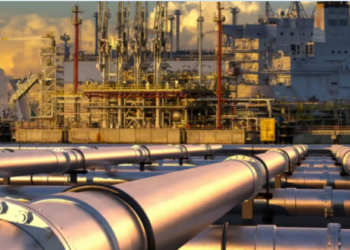
Iranian oil tankers have been quietly offloading their supply into Chinese ports, according to ship tracking data, despite U.S. sanctions on crude from the Islamic Republic.

These flows, which experts say show no sign of stopping, could seriously disrupt U.S.-China trade talks as well as oil markets if Beijing decides to actually use them.

You might also like

Ambassador Oumer invites Rawalpindi businesses to explore Ethiopian investment potential

27/10/2026

Pakistan loses Qatar-linked LNG terminal project at Port Qasim

27/10/2026

Estimates as to the volume of Iranian crude that’s made its way to China between last January and May vary from 12 million to 14 million barrels, an amount that market watchers say could dramatically impact the price of oil.

“If China were to aggressively purchase Iranian crude oil and/or draw down on these stored volumes, oil prices would likely fall by $5.00 to $7.00 per barrel,” John Kilduff, founding partner of energy trading firm Again Capital. “It would be a meaningful outlet for Iranian supplies that have been severely crimped by the sanctions.”

Stephen Brennock, an analyst at PVM Oil Associates, agrees. “It’s fair to assume that global oil prices would come under pressure if China decided to draw on the Iranian oil stored in its ports,” he said. “It would also likely trigger a harsh response from the (President Donald) Trump administration.”

But there is at least one reason Washington hasn’t sounded the alarm over these Persian barrels. China keeps them in what’s called “bonded storage,” which means the oil has not been cleared through Chinese customs and is not being used, therefore not actually violating U.S. sanctions. Kilduff estimates that another 20 million barrels are “en route, likely headed for this bonded storage.”

This benefits both Iran and China in a few ways.

Related Stories

Ambassador Oumer invites Rawalpindi businesses to explore Ethiopian investment potential

byCT Report
27/10/2026

RAWALPINDI: Dr. Oumer H. Oba, Ambassador of the Federal Democratic Republic of Ethiopia, on Tuesday visited the Rawalpindi Chamber of...

Pakistan loses Qatar-linked LNG terminal project at Port Qasim

byCT Report
27/10/2026

KARACHI: Energas, a consortium involving Lucky Group and QatarEnergy, has withdrawn from its plan to build a liquefied natural gas...

FBR offices to remain open on October 31 for tax collection

byCT Report
27/10/2026

ISLAMABAD: The Federal Board of Revenue (FBR) has decided to keep its tax offices open on Saturday, October 31, to...

Geopolitical instability poses major threat to businesses and global economy: survey

byCT Report
27/10/2026

ISLAMABAD: Geopolitical tensions, rising energy prices and persistent inflation are emerging as major threats to global economic growth and business...

Next Post

Turkey's exports rise over 8.3% in July: Minister

  • Terms and Conditions
  • Disclaimer

© 2011 Customs Today -World's first newspaper on customs. Customs Today.

No Result
View All Result
  • Transfers and Postings
  • Latest News
  • Karachi
  • Islamabad
  • Lahore
  • National
  • Chambers & Associations
  • Business
  • About Us

© 2011 Customs Today -World's first newspaper on customs. Customs Today.