ISLAMABAD: The National Assembly unanimously approved the government’s much-needed Finance (Supplementary) Bill 2023 or ‘mini-budget’ — a move mandatory for seeking $1.1 billion tranche of the International Monetary Fund (IMF) loan.
The mini-budget’s approval comes as the government continues its talks with the IMF, the international lender, while adhering to its conditions to help cushion Pakistan’s dwindling economy.
The bill increases sales tax from 17 to 25 percent on imports ranging from cars and household appliances to chocolates and cosmetics. A general sales tax was raised from 17% to 18%.
People will also have to pay more for business-class air travel, wedding halls, mobile phones, and sunglasses.
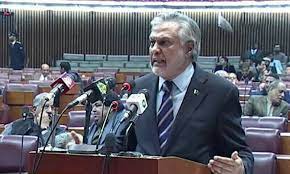
“The prime minister will also unveil (further) austerity measures in the next few days,” Finance Minister Ishaq Dar told the lower house of parliament as the bill was passed, adding “we will have to take difficult decisions”.
He also added that a few amendments have been made to the bill and assured the members that the coalition government will meet its annual tax target for the FBR.
Excise duty on business class ticket fares for those flying to South America has been fixed at Rs250,000, while duty on business and first class fares for those travelling to Africa and Middle East has been fixed at Rs75,000, Dar said.
The senator stated that the excise duty on tickets to European countries is fixed at Rs150,000, while those travelling to Australia, New Zealand and countries in the Asia Pacific on business and first class flights will pay Rs150,000.
The minister accepted that the people are reeling with sky-high inflation, but also questioned whether the increase was the result of the decisions taken in the last four months — the time since he’s taken over the reins of Pakistan’s economy.
The senator blamed the previous Pakistan Tehreek-e-Insaf-led administration for ruining the country’s economic state highlighting the way it backtracked from the IMF agreement. “The previous government violated the economic discipline.”
Dar stated that the government is taking all possible steps to ensure economic stability. “We held negotiations with the IMF for 10 days and convinced them to agree on taxes worth Rs170 billion,” he added.
Before the mini-budget’s approval, Dar — while speaking on the floor of the National Assembly — said the government appreciated recommendations by lawmakers for the bill and thanked the house for participating in debate regarding the bill. He also said the government considered recommendations shared by the parliamentarians.
The finance czar further added the government introduced the mini-budget following the IMF’s conditions. “We also don’t like imposing taxes. We tried keeping a minimum rate of additional taxes.”