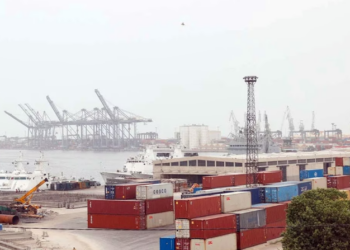
MULTAN: In a decisive move to combat the rising tide of smuggling, the Multan Customs Collectorate is advocating for greater control over all law enforcement agencies involved in anti-smuggling operations. This push comes in light of the imminent reforms within Pakistan Customs aimed at enhancing operational efficiency and integrity.
In a bold initiative aimed at bolstering anti-smuggling efforts, the Multan Customs Collectorate is set to play a pivotal role in a nationwide crackdown on illicit trade. The impending reforms within Pakistan Customs, pending Prime Ministerial approval, signal a major shift in operational strategies, consolidating various collectorates and enhancing enforcement mechanisms.

The enforcement division will absorb the responsibilities of the now-defunct Directorate of Customs Intelligence, marking a significant restructuring designed to streamline operations and reduce corruption. Sources confirm that the integration will empower the Anti-Smuggling Division to oversee anti-smuggling operations across the country, a move that comes amid rising concerns over the rampant intervention of police and other law enforcement agencies in Customs affairs.
As part of a rigorous anti-smuggling campaign, strict measures are being enforced, leaving no room for exceptions. This initiative underscores the government’s commitment to eradicating smuggling activities and enhancing the integrity of Customs operations. The decision to merge the Directorate of Customs Intelligence into the broader Customs framework stems from persistent reports of corruption, necessitating a re-evaluation of existing structures.
The Federal Board of Revenue (FBR) has prepared a comprehensive report detailing these reforms, which is expected to be presented to senior government officials imminently. Military Intelligence, under the supervision of COAS General Asim Munir, will oversee the implementation and monitoring of these reforms, with support from the Inter-Services Intelligence (ISI) and the Intelligence Bureau (IB).
However, not all stakeholders are on board with the changes. The Inland Revenue Service Officers Association (IRSOA), representing over 1,300 officers, has expressed serious concerns regarding the FBR’s recent “Transformation Plan.” The IRSOA argues that the task force involved in the plan’s formulation was not representative of the collective voice of IRS officers, raising questions about the transparency and inclusiveness of the reform process.
With ongoing demands for fair treatment and adequate resources, the IRSOA insists that IRS officers should receive equal consideration compared to their counterparts in other services. Issues such as the perceived discrimination of the proposed 60/40 Peer Rating system, lack of logistical support, and barriers to career progression have left the workforce feeling demoralized.
The IRSOA is advocating for a restructuring of performance assessments based on objective metrics, emphasizing the need for alignment of salaries and allowances with other service groups. They warn that external auditors, if brought in, could lead to accountability issues and potential data breaches, advocating instead for internal recruitment to ensure responsibility.
As the Multan Customs Collectorate gears up to enforce these reforms, the landscape of anti-smuggling operations in Pakistan is poised for transformation. The emphasis on strategic support and efficient resource allocation will be critical in curbing illicit trade and restoring public confidence in the Customs framework.