KARACHI: The Karachi Chamber of Commerce and Industry (KCCI) and commercial importers have urged the Federal Board of Revenue (FBR) to resolve the clearance backlog crisis at ports.
Pakistan Chemicals & Dyes Merchants Association (PCDMA) Chairman Salim Valimohammad has urged FBR Chairman Rashid Mahmood Langrial to address the delay in customs clearance and take immediate steps to remove the backlog, which could cause losses to importers in the form of demurrage and detention charges.


The PCDMA chairman also implored the FBR chief to monitor the status of imported consignments on a daily basis. “Timely clearance measures should be ensured to clear the backlog as soon as possible,” he said.
Valimohammad commented that while the Faceless Customs Clearance Assessment system was far better, the staff concerned must be fully trained before implementing it from December 15 onwards, so that the rising backlog of containers may be avoided.
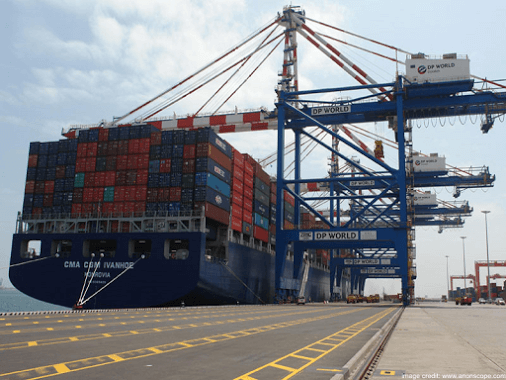
Currently, thousands of containers are stuck at ports. Until their clearance, services should continue on Saturdays and Sundays, he stressed.
He acknowledged the benefits of the faceless customs clearance system but emphasised that proper administrative preparations should have been made prior to its implementation to ensure the efficient and timely clearance of consignments.
Valimohammad fretted about the significant backlog of consignments, caused by the lack of sufficient administrative capacity under the Faceless Customs Clearance Assessment system, introduced as part of the FBR Transformation Plan.
He pointed out that due to the lack of preparation large volumes of imported goods had piled up at ports, threatening severe financial losses to importers.
“If the timely clearance of consignments, especially those containing imported raw materials, is not ensured, it could severely disrupt the supply chain for industries. This will not only delay the delivery of export orders but also have a detrimental impact on the country’s overall export performance,” he warned.
Timely clearance will facilitate the uninterrupted supply of raw materials to industries, enabling them to continue production activities and contribute to the country’s exports and economic growth.