ISLAMABAD: The Federal Board of Revenue (FBR) is preparing to implement stringent measures in the upcoming fiscal year 2025–26, including the freezing of bank accounts belonging to businesses and individuals who remain outside the sales tax net.
FBR Chairman Rashid Mahmood Langrial conveyed this assertive plan to the National Assembly’s Standing Committee on Finance.


The committee, chaired by Syed Naveed Qamar, convened to review the tax authority’s enforcement strategies aimed at broadening the sales tax base. Chairman Langrial stated that a multi-step approach would be adopted: unregistered entities will first receive notices, and those failing to comply will then face bank account freezes.
However, he provided a crucial clarification that accounts would be promptly restored within 48 hours once the registration process is completed by the defaulting entity.
Targeting Large-Scale Tax Evaders
FBR officials highlighted a significant challenge: many existing income tax filers, particularly large industrial units, have yet to register for sales tax. In Karachi alone, numerous factories reportedly operate with multiple industrial meters, indicating substantial manufacturing operations, yet remain unregistered. This leads to billions in unreported sales, contributing to massive tax evasion.
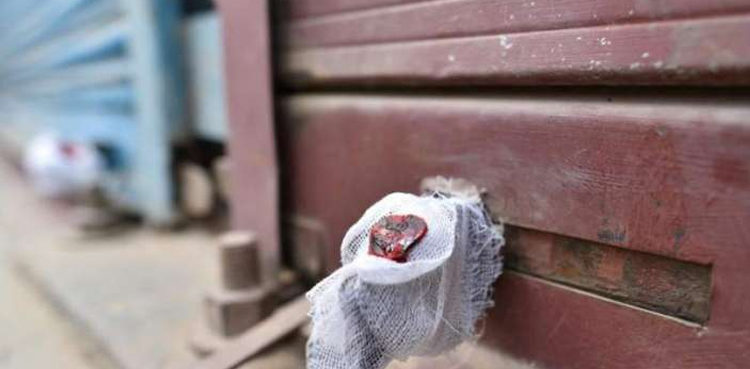
While Committee member Usman Ahmed Mela raised objections to the sealing of properties, deeming it too harsh, Langrial clarified that the upcoming enforcement drive would remain focused exclusively on large manufacturers and wouldexclude small traders and cottage industries. This distinction aims to reassure smaller businesses that they are not the primary target of these measures.
Committee Criticizes Tactics, Proposes Registration Threshold Increase
Committee Chairman Syed Naveed Qamar criticized what he perceived as increasing pressure tactics from the FBR, noting, “First you cut their utilities, and now you’re freezing their bank accounts.”
FBR representatives further revealed a common evasion tactic in Karachi: tax evaders frequently relocate operations, running sizeable manufacturing setups on single plots before moving to new locations to avoid detection by authorities.
During the meeting, committee member Mirza Ikhtiar Baig proposed increasing the sales tax registration threshold from Rs8 million to Rs10 million, arguing that this adjustment is necessary to reflect current inflation levels. He stressed that smaller traders should not be subjected to such stringent enforcement measures. Chairman Langrial expressed support for this recommendation and revealed a startling statistic: nearly 66% of manufacturing units in the country still operate outside the sales tax net.
Facilitation period for new registrants
To encourage voluntary compliance and ease the transition for businesses, the FBR Chairman offered a significant incentive: a six-month facilitation period for new registrants.
During this period, no sales tax will be collected from these newly registered businesses, allowing them ample time to integrate into the formal system without immediate financial burden. This approach seeks to balance aggressive enforcement with supportive measures for businesses willing to comply.