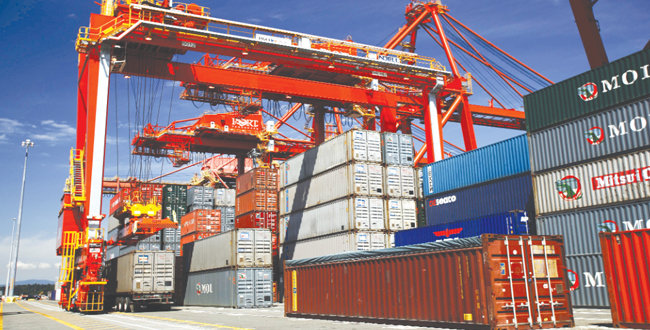
KARACHI: The Federal Tax Ombudsman (FTO) Dr. Asif Mehmood Jah has found the Collectorate of Customs, Appraisement, Port Muhammad Bin Qasim (PMBQ), Karachi guilty of maladministration for illegally dumping over 650 containers of hazardous PVC plastic waste at an uncertified landfill site, bypassing environmental protocols and forfeiting millions in potential government revenue.


Sources said that these containers were dumped at a dumping site, which is out of their mandate as Customs – after confiscation – can either auction the goods or destroy them. Besides, these goods could also be auction to certain eligible parties with certain conditions.
It is even more alarming that according to sources, 70% of this dumped waste has already been sold in the market with the alleged connivance of Customs personnel. An audit would find only 30% of the over 650 containers load of PVC waste.
The complaint, filed by Mr. Basit Ahmed Khan, proprietor of M/s Kanco-One and director of M/s Khalil Sons (Pvt) Ltd, alleged that customs officials ignored his formal offer to incinerate the confiscated waste through a SEPA-approved pyrolysis facility. Instead, the waste was dumped at Plot No.243, Deh Narathar, Gadap Town—land neither certified nor engineered for hazardous waste disposal.
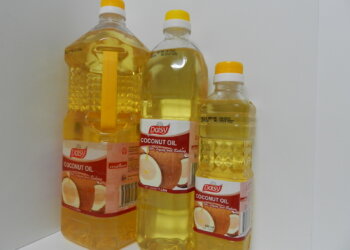
Mr. Khan’s firm specializes in the environmentally sound incineration of hazardous plastic waste, recovering valuable byproducts such as waste plastic oil. These byproducts can be used as:
Alternatives to diesel fuel
Industrial boiler fuel
Raw material for new plastics
Domestic heating
Road construction (when mixed with bitumen)
Despite this, customs authorities opted for free-of-cost dumping, ignoring guidelines from the Ministry of Climate Change and the Basel Convention, which recommend incineration with energy recovery as the preferred disposal method.
The FTO’s investigation revealed:
Customs failed to act on the Ministry of Commerce’s January 2023 directive to return the containers to the exporting country due to lack of certified landfill infrastructure.
SEPA certificates submitted by the complainant were declared forged by SEPA itself, undermining the credibility of the complaint.
The land used for dumping was never certified by SEPA, contradicting customs’ claims.
The complainant had previously filed similar petitions under different names, raising concerns about procedural integrity.
However, the FTO noted that the department failed to provide any SEPA certification for the landfill site and did not justify why incineration through a SEPA-approved pyrolysis plant was not pursued—especially when it could have generated substantial revenue.