ISLAMABAD: Federal Minister for Finance and Revenue Senator Muhammad Aurangzeb participated in a discussion titled “AgriConnect: Farms, Firms, and Finance for Jobs” organized by the World Bank Group on the sidelines of the Annual Meetings of the International Monetary Fund (IMF) and the World Bank Group (WBG) in Washington.
The session brought together global policymakers and experts including Ajay Banga, President of the World Bank Group, Sergii Marchenko, Minister of Finance of Ukraine, and Mariama Cire Sylla, Minister of Agriculture of Guinea, among others, to deliberate on strengthening family farms which represent nearly half a billion smallholders producing about 80 percent of the world’s food, said a news release.Groceries

During the discussion, Aurangzeb underscored the pivotal role of agriculture in Pakistan’s economy, noting that it accounts for nearly one-fourth of the national GDP and provides livelihoods to millions of small-scale farmers owning less than five hectares of land.
He highlighted that the government’s policy focus is on enabling and facilitating rather than controlling the sector, with the aim of allowing the private sector to take the lead in areas where it can perform more effectively.
The minister elaborated on Pakistan’s ongoing efforts to enhance agricultural productivity, improve access to finance, and strengthen the value chain from production and storage to exports.
He noted that pilot initiatives have demonstrated positive results through the provision of seeds, fertilizers, agronomy services, and satellite-based crop monitoring for small farmers. These interventions have led to improved yields, higher incomes, and reduced dependence on middlemen through the introduction of formal credit mechanisms.
Senator Aurangzeb emphasized the importance of scaling up such initiatives by involving the financial sector and providing institutional support.
He outlined steps being taken by the government to encourage banks to expand agricultural lending through first-loss guarantees, subsidized financing schemes, and uncollateralized credit facilities for small and tenant farmers.
He noted that these interventions are designed to create a sustainable ecosystem that empowers farmers and ensures the long-term growth of the agriculture sector.
Addressing the growing challenges posed by climate change, the Finance Minister stressed that agriculture and climate are deeply interconnected and that Pakistan is taking proactive measures to build climate resilience in the sector.
He pointed out that the recent floods, which caused significant damage to the rice crop, underscore the urgency of adaptation. He referred to Pakistan’s ten-year Country Partnership Framework with the World Bank, under which one-third of the agenda is focused on climate resilience and decarbonization.
He stated that financing is available, but deployment must be accelerated to respond effectively to changing weather patterns and the increasing frequency of climate shocks.
The minister also highlighted the government’s emphasis on research and technology in agriculture, noting that around 1,000 Pakistani students are currently receiving advanced agricultural education and training in China.
This initiative aims to build capacity in agricultural research, mechanization, and modern farming practices, enabling Pakistan to benefit from knowledge transfer and successful international models.
In response to questions about private sector participation, Senator Aurangzeb reaffirmed Pakistan’s commitment to continued deregulation and to creating an enabling environment for private investment in cold chain infrastructure, warehousing, and value-added agriculture.
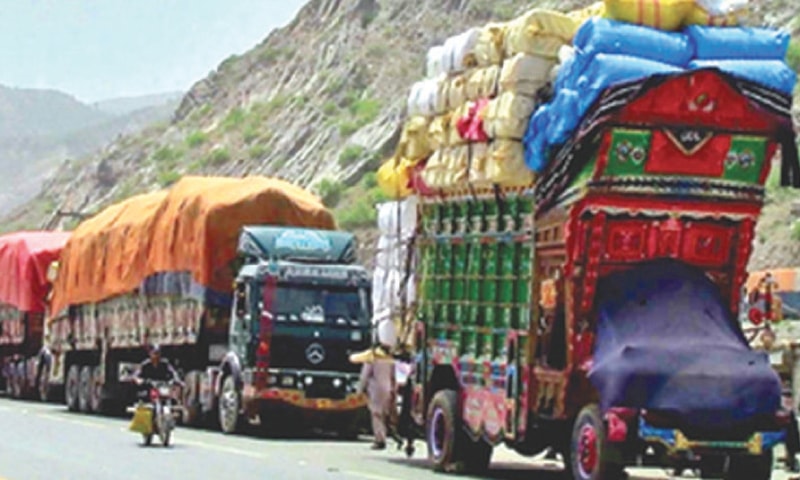
He pointed to the strong export potential of Pakistan’s key crops, noting that rice exports alone are expected to reach about 3.5 billion dollars this year.
Concluding the discussion, the Finance Minister reiterated the government’s determination to build a resilient, technology-driven, and inclusive agricultural economy.
He stressed that when the entire value chain is taken into account, agriculture contributes close to 40 percent of Pakistan’s GDP, and the government remains focused on providing the necessary ecosystem, financial access, and institutional backing to support farmers while gradually eliminating the role of intermediaries in the process.
Earlier, Finance Minister participated in the G-24 Ministers & Governors’ Meeting convened today in Washington alongside the 2025 World Bank Group and IMF Annual Meetings.
In his address, the minister highlighted macroeconomic stability achieved by the country underpinned by structural reforms in taxation with a focus on people, process and technology, energy, SOEs and privatization.
Aurangzeb appreciated the World Bank for helping with the launch of bold tariff reforms to increase competitiveness and enable export-led growth, and emphasized the importance of regional trade corridors and global cooperation in climate change which posed an existential threat to climate-vulnerable countries including Pakistan.
He also thanked IMF MD for complimenting Pakistan for staying steadfast on the reform agenda.