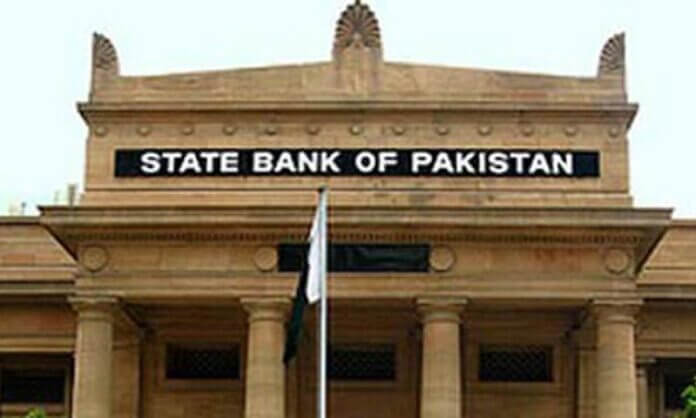
KARACHI: The State Bank of Pakistan (SBP) has directed commercial banks, microfinance banks, and Development Finance Institutions (DFIs) to introduce end-to-end digital onboarding of Small and Medium Enterprises (SMEs) under the updated prudential regulations.
According to the new framework, banks and DFIs may use technology-based solutions such as GPS, geo-tagged onboarding data, and video KYC recordings to verify SME business owners and their premises.


All SME credit-related documentation will now be accepted in digital form, including renewals, declarations, and agreements. Banks and DFIs will also be required to execute e-agreements using secure digital signature platforms. Moreover, they may rely on anchor-issued confirmations for SMEs onboarded via validated partners such as manufacturers, distributors, digital aggregators, and online platforms.
To streamline processes, information collected during account opening will be reused across credit assessment procedures, avoiding duplication and improving user experience. Where statutory or regulatory data is available through authorized third-party sources, banks will not need to collect it directly from applicants.
Banks and DFIs must also establish effective loan and financing monitoring mechanisms, leveraging digital tools to track the operating and financial performance of SMEs. This may include digital or physical verification, monitoring account operations, and analyzing digital stock reports.
Furthermore, financial institutions are required to develop their own digital credit scoring models or partner with reputable third parties and fintechs to determine SME creditworthiness. These models will use data such as transactional and cash flow records, bank account activity, digital supply chain data, and other verifiable alternative data sources.
Under the revised definitions, the SBP has categorized enterprises based on annual sales turnover: Micro Enterprises (up to Rs. 30 million), Above Micro Enterprises (Rs. 30–150 million), and Medium Enterprises (Rs. 150–800 million). Startups less than five years old will be classified as Startup SEs or Startup MEs.
Small Enterprises (Micro and Above Micro) can avail funded and non-funded facilities of up to Rs. 100 million, while Medium Enterprises can access financing of up to Rs. 500 million from one or multiple financial institutions.
Additionally, banks and DFIs may deduct the value of liquid assets—such as bank deposits, certificates of investment, Pakistan Investment Bonds, Treasury Bills, and National Savings Scheme securities—held under perfected lien when calculating per-party exposure limits, as per the updated prudential regulations.
KARACHI: The State Bank of Pakistan (SBP) has directed commercial banks, microfinance banks, and Development Finance Institutions (DFIs) to introduce end-to-end digital onboarding of Small and Medium Enterprises (SMEs) under the updated prudential regulations.
According to the new framework, banks and DFIs may use technology-based solutions such as GPS, geo-tagged onboarding data, and video KYC recordings to verify SME business owners and their premises.
All SME credit-related documentation will now be accepted in digital form, including renewals, declarations, and agreements. Banks and DFIs will also be required to execute e-agreements using secure digital signature platforms. Moreover, they may rely on anchor-issued confirmations for SMEs onboarded via validated partners such as manufacturers, distributors, digital aggregators, and online platforms.
To streamline processes, information collected during account opening will be reused across credit assessment procedures, avoiding duplication and improving user experience. Where statutory or regulatory data is available through authorized third-party sources, banks will not need to collect it directly from applicants.
Banks and DFIs must also establish effective loan and financing monitoring mechanisms, leveraging digital tools to track the operating and financial performance of SMEs. This may include digital or physical verification, monitoring account operations, and analyzing digital stock reports.
Furthermore, financial institutions are required to develop their own digital credit scoring models or partner with reputable third parties and fintechs to determine SME creditworthiness. These models will use data such as transactional and cash flow records, bank account activity, digital supply chain data, and other verifiable alternative data sources.
Under the revised definitions, the SBP has categorized enterprises based on annual sales turnover: Micro Enterprises (up to Rs. 30 million), Above Micro Enterprises (Rs. 30–150 million), and Medium Enterprises (Rs. 150–800 million). Startups less than five years old will be classified as Startup SEs or Startup MEs.
Small Enterprises (Micro and Above Micro) can avail funded and non-funded facilities of up to Rs. 100 million, while Medium Enterprises can access financing of up to Rs. 500 million from one or multiple financial institutions.
Additionally, banks and DFIs may deduct the value of liquid assets—such as bank deposits, certificates of investment, Pakistan Investment Bonds, Treasury Bills, and National Savings Scheme securities—held under perfected lien when calculating per-party exposure limits, as per the updated prudential regulations.