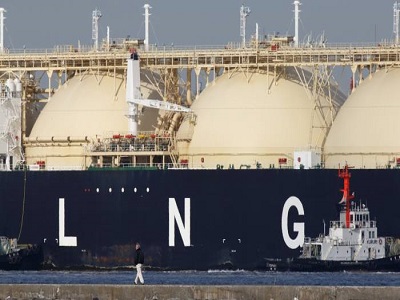
KARACHI: Pakistan has initiated a review of long-term LNG terminal agreements with Engro Elengy Terminal Pakistan Limited and Pakistan GasPort Limited as fixed payments continue despite a halt in gas supplies following a force majeure event.
The review comes after QatarEnergy suspended LNG deliveries earlier this month, disrupting supplies to Pakistan and other buyers. While local entities also invoked force majeure, existing contracts require continued payments to terminal operators regardless of supply interruptions.


Authorities are examining whether capacity and utilisation charges under agreements with the two terminal operators can be reduced or paused during periods of zero gas availability.
Despite the suspension of LNG for regasification, beginning March 27 at the GasPort terminal and April 2 at the Engro terminal, state-owned entities, including Pakistan LNG Limited and Sui Southern Gas Company, remain obligated to pay about $538,535 per day, equivalent to nearly $15 million per month.
Under current terms, SSGC pays more than $228,000 per day to Engro Elengy Terminal, while PLL pays over $245,000 per day to Pakistan GasPort, even when no LNG is processed.
The petroleum minister has previously stated that the agreements are not favourable for the country, raising concerns over continued payments in the absence of supply.
Sources familiar with the contracts said payment obligations cannot be suspended under force majeure clauses, warning that any unilateral action could lead to arbitration at the London Court of International Arbitration and expose Pakistan to financial and legal risks.
The situation adds to pressure on external finances, with Pakistan having imported LNG worth around $35 billion and paid nearly $3 billion in capacity charges to date.
With the final LNG cargoes expected to be processed by March 27, the country is set to face a period with no LNG supply while still making dollar-denominated payments to terminal operators.
Officials and analysts say such take-or-pay agreements were structured to attract private investment in LNG infrastructure but place the financial burden on the public sector during supply disruptions, limiting the government’s options under existing contractual and legal constraints.