KARACHI: Bilal Azhar Kayani has confirmed that the arrest powers of Federal Board of Revenue (FBR) officials have been significantly reduced as part of ongoing reforms aimed at improving Pakistan’s business environment.
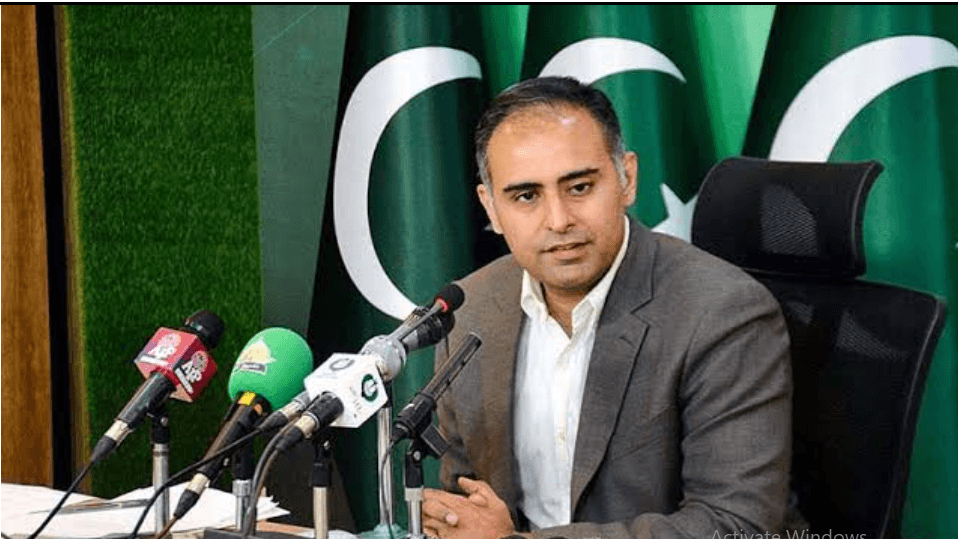
Speaking at the Karachi Chamber of Commerce and Industry (KCCI) during pre-budget consultations for 2026–27, the minister said amendments to Section 37A of the Sales Tax Act, 1990 have curtailed discretionary powers of tax officials while introducing stronger safeguards for taxpayers.


“The authority of FBR officials to arrest traders has been significantly reduced, providing relief and improving ease of doing business,” Kayani stated, reaffirming the government’s commitment to a more predictable and business-friendly regulatory framework.
He noted that the reforms form part of a broader strategy to promote sustainable, export-led growth through enhanced collaboration with the private sector.
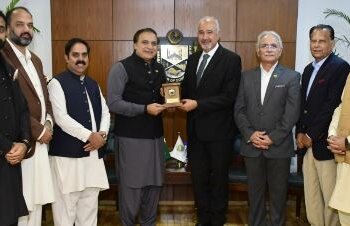
The session was attended by key stakeholders, including members of the business community, exporters, and representatives of the FBR. Participants highlighted various challenges and offered policy suggestions ahead of the upcoming federal budget.
Kayani emphasized that Karachi remains central to Pakistan’s economy due to its significant contributions to industrial production, exports, and tax revenues. He said ongoing consultations with trade bodies are focused on identifying structural bottlenecks and aligning policies with business realities.
The minister also highlighted improvements in macroeconomic indicators since February 2024, citing better inflation trends and stronger foreign exchange reserves as a result of coordinated policy measures.
He said the government is working to move away from cyclical economic instability toward a model based on exports and investment. Efforts are also underway to enhance private sector involvement in institutions like the Small and Medium Enterprises Development Authority (SMEDA) to improve policymaking.
On the financial front, Kayani pointed to the success of Roshan Digital Accounts in attracting inflows from overseas Pakistanis, as well as Pakistan’s return to the international Eurobond market after a four-year gap—both seen as indicators of renewed investor confidence.
Addressing energy pricing, he said petroleum prices are being adjusted in line with global trends. He added that petroleum levies have been rationalised, including a zero levy on diesel and Rs80 per litre on petrol.