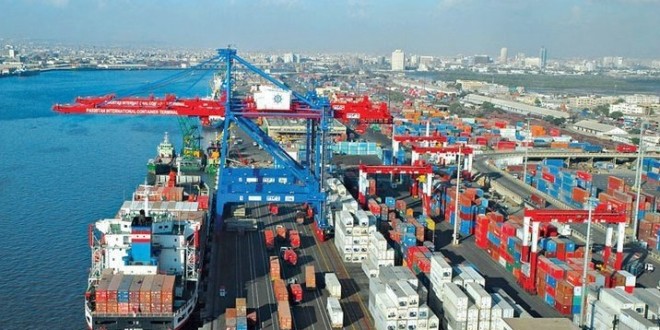
KARACHI: A large-scale clean-up operation at Karachi’s busy harbour has exposed a worrying environmental situation, as authorities removed 16,430 kilograms of solid waste from high-risk maritime zones in a single coordinated drive.
The operation was carried out by the Karachi Port Trust (KPT), highlighting increasing pollution pressure on one of Pakistan’s most important trade and shipping hubs.


Officials confirmed that the recovered waste included:
• Plastic debris
• Floating garbage
• Organic waste
• Discarded fishing materials
These pollutants are posing serious risks to marine life, port efficiency, and coastal biodiversity.
Key Affected Areas
• East Wharf
• West Wharf
• Boat Basin Jetty
• Dumping and transfer zones
Environmental experts warn that continued accumulation of such waste could cause long-term damage to marine ecosystems if not addressed consistently.
Massive Deployment for Clean-Up Operation
The clean-up drive involved a significant operational effort:
• 54 boats deployed across harbour zones
• 164 personnel working in coordinated shifts
Authorities said the large-scale deployment ensured full coverage of critical high-risk areas where vessel traffic and cargo operations intensify pollution buildup.
Safe Disposal Through Waste Authority
All collected waste was transferred to the Sindh Solid Waste Management Board (SSWMB) facility for environmentally safe disposal.
Officials confirmed that disposal followed strict environmental protocols to prevent secondary pollution in coastal waters.
Discover more
Federal authorities warned that unchecked pollution in harbour areas could:
• Disrupt vessel movement
• Increase operational hazards
• Reduce port efficiency
• Threaten long-term economic stability
The Minister for Maritime Affairs emphasized that clean ports are essential for both trade performance and marine ecosystem protection.
Plans for Cleaner and Smarter Ports
To improve long-term environmental management, authorities are planning:
• Advanced waste collection systems
• Real-time environmental monitoring technology
• Stronger enforcement of anti-pollution regulations
These initiatives are part of Pakistan’s broader strategy for sustainable maritime development.
Why This Matters
Karachi Port serves as a vital economic artery for Pakistan. However, rising waste levels highlight an urgent need for stronger environmental controls before pollution reaches irreversible levels.