ISLAMABAD: Minister of State for Finance and Revenue, Bilal Azhar Kayani acknowledged for broadening the tax net and said salaried class has paid more taxes.
Addressing the opening session of the first National Tax Payers Convention 2026, Dr. Ali Salman, Chief Convenor of the Tax Payers Alliance of Pakistan and CEO of PRIME Institute, said taxpayers in the formal sector are already compliant and deserve respect, dignity and meaningful representation in the policy process.


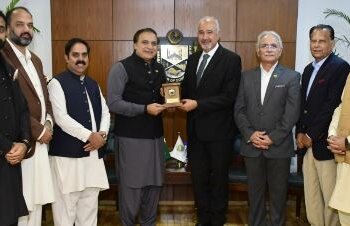
The Convention, organized by the Tax Payers Alliance of Pakistan with the support of PRIME Institute, called to recognize taxpayers as a national constituency whose concerns must be placed at the center of fiscal policy making. The convention brought together business associations, chambers, professionals, economists, academics, political representatives and members of civil society for a two-day pre-budget dialogue on Pakistan’s taxation system.
The state minister said the purpose of the convention is to build a visible and organized constituency for taxpayers, including individuals, businesses and professionals who pay direct and indirect taxes.
Dr. Salman said tax policy and tax administration form a basic foundation of the social contract between the state and citizens.
He observed that the present social contract is weak and that Pakistan needs a smarter and more efficient state capable of delivering public goods, rule of law, national defence, public infrastructure, education and health.
He said the broad objective of TPAP is to build a political consensus around three priorities: significantly lowering tax rates, simplifying and harmonizing the tax system, and eliminating undue and wasteful public expenditure. He added that a system which repeatedly raises rates on those already documented weakens trust and discourages formal economic activity.
Dr. Salman also drew attention to two documents being placed before the convention: the Taxpayers Bill of Rights and the Charter of Demands. He urged participants to review both documents, provide feedback, and support their adoption as part of a national reform agenda that can be taken to parliament and relevant policy forums.
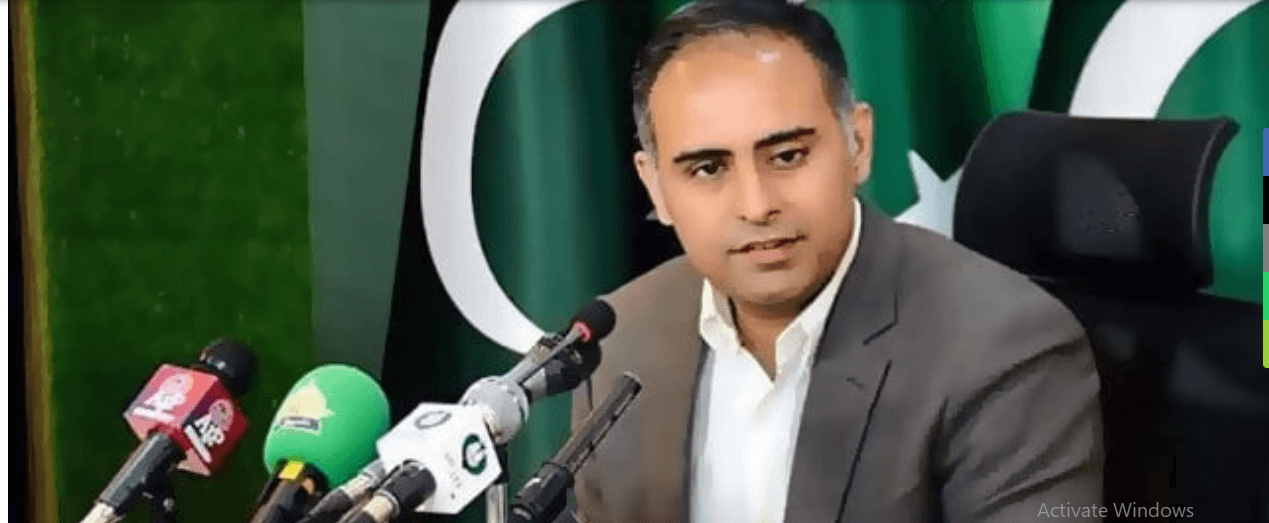
Delivering the keynote address, Bilal Azhar Kayani, Minister of State for Finance and Railways, said compliant taxpayers are at the forefront of contribution to the national exchequer and that listening to their concerns is a necessary part of the budget process. He said the government has been engaging with associations, industries and taxpayer groups to understand their proposals ahead of the federal budget.
The minister acknowledged that Pakistan faces fiscal space constraints, but said there is no doubt that the salaried class has been paying more than its fair share. He added that the government would like to address this burden where space permits, while remaining careful about statements ahead of the finalization of the budget.
Kayani said parliamentary oversight of the finance bill has improved, with the bill being examined by the standing committees of both houses.
He said such scrutiny allows anomalies, rates, procedures and implementation problems to be discussed in greater detail before final decisions are made. He also highlighted ongoing FBR reform measures, including faceless customs, compliance risk management, digital production monitoring, track and trace systems, and moves towards digital payments.
He said reducing human discretion in tax administration is important both for revenue collection and for creating a level playing field between compliant and non-compliant taxpayers.
The minister further referred to the government’s five-year tariff policy, under which regulatory duties and additional customs duties are to be phased down. He said the purpose is to reduce input costs, improve competitiveness, support exports, and help move Pakistan towards private sector-led and export-led growth.
Kayani requested the Tax Payers Alliance and PRIME Institute to share a concise summary of the convention’s recommendations with the Ministry of Finance and the Tax Policy Office so that the views of taxpayers, business groups, and professionals can be considered during the budget process.
The participants welcomed the engagement between policymakers and taxpayers, noting that Pakistan’s fiscal debate must move beyond a narrow focus on revenue targets and include fairness, compliance costs, administrative behavior, public expenditure, and the quality of services delivered by the state.