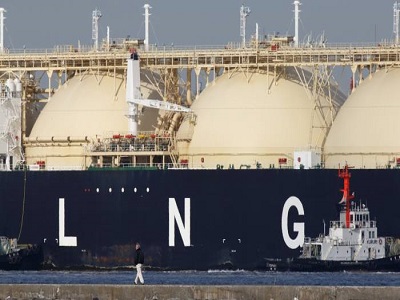
ISLAMABAD: Pakistan has secured relief on LNG terminal capacity payments after negotiations with private terminal operators Engro Elengy Terminal Pakistan Limited and Pakistan GasPort Consortium Limited following force majeure declarations by Qatar on LNG supplies due to the war.
Officials said Engro Elengy Terminal Pakistan Limited and Pakistan GasPort Consortium signed revised agreements offering commercial support to the government through partial reductions in fixed dollar-denominated charges payable under long-term LNG terminal contracts.


Under existing 15-year agreements, Pakistan remains obligated to pay around $538,535 per day, or nearly $15 million per month, in capacity and utilisation charges to the two LNG terminal operators even when cargoes do not arrive.
Senior officials said Pakistan GasPort agreed to provide commercial support covering 34 days during which LNG supplies remained unavailable, while Engro Elengy extended similar support for 39 days.
The exact value of the concession was not disclosed, with officials describing it as a one-time arrangement made in the larger national interest.
The revised arrangements were finalised after approvals from Sui Southern Gas Company and Pakistan LNG Limited, the state-owned entities party to the terminal agreements.
According to officials, the government had initially explored whether force majeure conditions could legally suspend terminal payments. However, after reviewing the contracts, authorities concluded that the operators remained legally entitled to receive payments despite supply disruptions.
Petroleum Minister Ali Pervaiz Malik had earlier questioned the contract structure and argued that capacity payments should not continue during force majeure events.
Sources said government negotiators later requested terminal operators to work with foreign investors and devise arrangements to reduce the financial burden on the country.
In a separate statement, Pakistan GasPort said it had extended commercial support to the government in response to LNG supply disruptions in the region.