ISLAMABAD: The International Monetary Fund (IMF) has rejected Pakistan’s proposal to reduce the General Sales Tax (GST) on stationery products in the FY2026-27 budget, according to officials from the Ministry of Finance who briefed the Senate Standing Committee on Finance.
During discussions on the Finance Bill 2026-27, officials revealed that the government had sought relief for the stationery sector, but the IMF opposed any reduction in the existing tax rate on educational supplies.


Stationery Industry Seeks Tax Relief
Speaking before the committee, Najeeb Memoon, Director General of the Tax Policy Office, said the IMF did not agree to lowering GST on stationery items despite repeated requests from manufacturers and businesses.
Representatives of the stationery industry urged lawmakers to reconsider the decision, warning that rising prices of essential school supplies are increasing the financial burden on families. Industry members noted that the price of a pencil, which previously sold for around Rs. 10, has now climbed to nearly Rs. 20.
At present, stationery products are subject to a 10 percent GST.
Calls for Exemption of Educational Materials
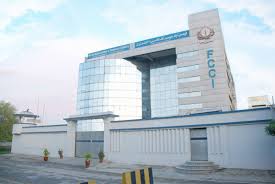
Representatives from the stationery and taxation committee of the Federation of Chambers of Commerce and Industry requested the government to exempt educational materials from taxation.
Committee member Riyaz-ud-Din argued that items directly linked to education, including sharpeners, exercise books, writing pads, glue, and colour pencils, should be granted tax exemptions. He maintained that imposing higher taxes on educational supplies would increase the cost of learning and place additional pressure on students and parents.
He also noted that the government had previously decided against applying the full 18 percent GST on stationery products and stressed that such taxation would be detrimental to the education sector.
Senate Panel Reviews Tariff Reforms
The Senate committee also examined the government’s tariff rationalization strategy, which is expected to lower customs and regulatory duties across various sectors. Officials estimated that the proposed reforms could result in a revenue impact of approximately Rs. 143.4 billion.
Commerce Secretary Jawad Paul informed lawmakers that customs duties would gradually be capped at 50 percent, while regulatory duties exceeding 20 percent would be reduced to that level. He added that strategic and export-oriented industries would continue to receive targeted protection.
Exporters Raise Concerns Over Tax Changes
Exporters attending the meeting expressed reservations about the proposed shift from the Final Tax Regime (FTR) to the Normal Tax Regime (NTR). They warned that delayed tax refunds and increased compliance requirements could discourage new businesses from entering export markets.
Finance Minister Muhammad Aurangzeb told the committee that extensive stakeholder consultations had been conducted during the budget preparation process. He highlighted that the government had already abolished super tax for exporters and continues to provide export financing at a concessional rate of 4.5 percent, despite the policy rate remaining at 11.5 percent.
Lawmakers Question Fixed Electricity Charges
The committee also discussed fixed charges included in electricity bills, with several lawmakers calling for their removal. Members argued that fixed charges have become an excessive burden on low-consumption households and should be reviewed to provide relief to consumers.