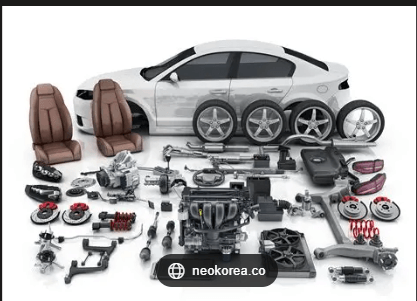
KARACHI: The Federal Board of Revenue (FBR) has overhauled the customs valuation mechanism for several imported automobile replacement parts by introducing a new framework based on vehicle type and engine capacity instead of product weight.
The revised customs values have been notified by the Directorate General of Customs Valuation, Karachi, through Valuation Ruling No. 2092 of 2026. The updated ruling applies to a wide range of imported auto spare parts sourced from China, Japan, and Europe, including water pumps, oil pumps, fuel pumps, in-tank fuel pumps, oil filters, fuel filters, and air filters.

The new valuation ruling replaces Valuation Ruling No. 1402-I/2019, which had remained in effect for more than six years.
According to the Directorate General of Customs Valuation, the review was initiated following requests from industry stakeholders seeking an update in customs values to better reflect prevailing market conditions. The exercise was conducted under Section 25A of the Customs Act, 1969.
The consultation process included representatives from the Pakistan Automobile Spare Parts Importers and Dealers Association (PASPIDA), Indus Motor Company (IMC), and other commercial importers, who held detailed discussions with customs authorities.
Stakeholders maintained that imported auto parts are primarily identified, traded, and priced according to the vehicle model and engine capacity they are designed for, making the previous weight-based valuation system outdated and less practical.
After examining stakeholders’ submissions, import data, international pricing trends, and market surveys, the Directorate approved a new valuation methodology based on vehicle application and engine displacement. The ruling also establishes a separate customs valuation category for in-tank fuel pumps due to their distinct market usage.
Customs authorities stated that the revised valuation framework aims to ensure a fair, transparent, and uniform assessment of imported automobile replacement parts while aligning customs values with current market practices and import trends.
The updated valuation is expected to streamline customs assessments, reduce valuation disputes, and bring greater consistency to the import of auto spare parts into Pakistan.