LAS VEGAS: New technology is getting more personal. So personal, it is moving to connect and analyze our movements, our health, our brains and our everyday devices. One of the major themes at the international Consumer Electronics Show (CES) in Las Vegas is connecting thousands of objects that people use each day — clothing, cars, light bulbs and home appliances.
Challenge facing developers is making that information useful, and the CES is increasingly seeing inventions related to digital “coaches” and ways to improve health or fitness, or get better information about our cars or appliances, said Shawn DuBravac, chief economist at the Consumer Electronics Association.


Some of the new devices on display at a preview Sunday included apps to monitor and improve the quality of sleep, a connected baby bottle to measure infant nutrition intake, and sensors that analyze one’s golf swing to compare it to that of the pros.
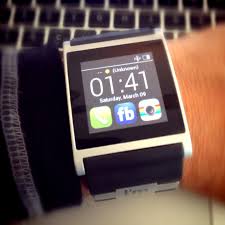
Smart clothing, connected smoke detectors and dozens of new smart-watches and fitness devices are also in the mix.
These new technologies “continue the trend of deploying the Internet in a personal way,” DuBravac said. “Nothing gets more personal than wearables.”
He said this represents a “third phase of the Internet,” after personal computers and mobile devices, to wearables and other connected objects.
“We are moving the Internet now from two billion smartphones to 50 billion objects,” he said.
“Company are taking the Internet to new places, to your wrist. And user are going to see that across the show… It’s not just about the distribution and dissemination of information. The way user use the Internet will change.”
CES, which officially opens Tuesday, is one of the world’s biggest trade fairs devoted to technology, with some 36,000 exhibitors and an estimated 160,000 people in attendance.
The show also features new big-screen televisions with “ultra” high-definition displays, and an array of drones for personal and industrial uses. It also includes expanded sections for robotics and automotive technology.
The exhibition opens amid a mixed economic outlook for the global technology industry. The Consumer Electronics Association, which organizes it, said spending on technology rose a mere one percent in 2014 to $1.024 trillion, but that it is too early to know the trend for 2015. The”company have a very mixed spending picture,” CEA analyst Steve Koenig said.
The market is being driven by strong demand for new products like tablets and smartphones in emerging economies in Asia, and by modest economic growth in North America.
The picture is clouded by economic stagnation in the eurozone and Japan and “weak expectations” in big emerging economies such as Brazil, Koenig explained. Russia, another large emerging economy, is being hit by economic sanctions that could dent tech spending.
Koenig said smartphone and tablet sales are growing at a healthy pace in China and other developing economies, and demand for new televisions is being driven by a “robust upgrade cycle” to the “ultra” high-definition displays.