QUETTA: The government has restructured a Rs. 115 billion World Bank-funded flood rehabilitation project in Balochistan amid allegations of mismanagement and financial irregularities.
The decision has reduced the housing component of the project to around 69,000 homes. As a result, more than 134,000 verified flood-affected families could lose access to the resilient homes they were promised.

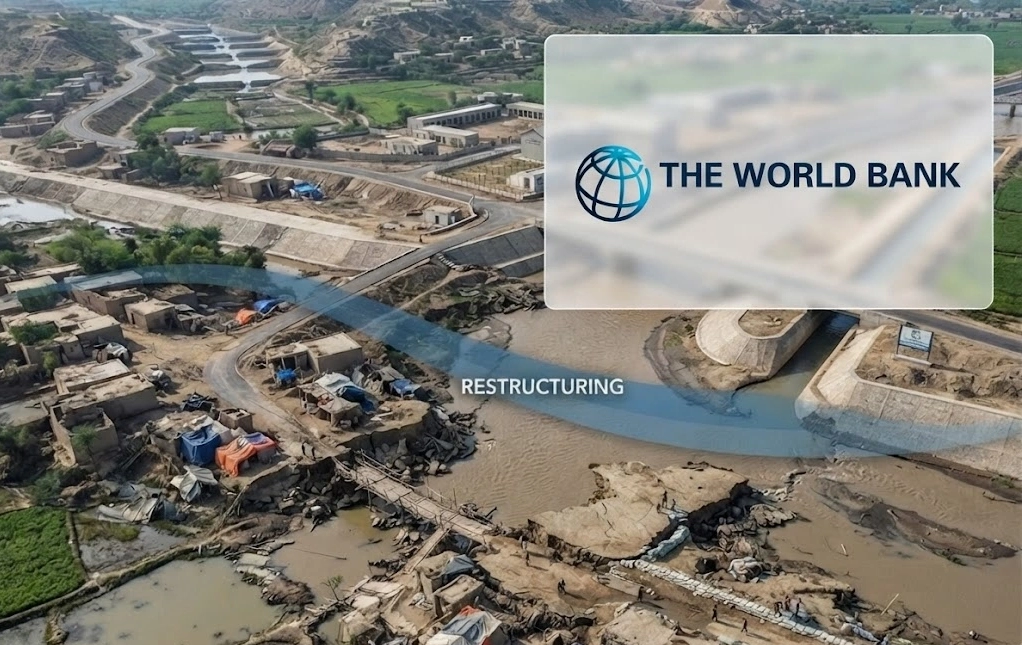
The World Bank funds the $400 million Integrated Flood Resilience & Adaptation Project (IFRAP). The project includes a $155 million housing component. The World Bank had also considered an additional $180 million to expand reconstruction efforts.
However, the project steering committee (PSC) has now rejected the additional financing. The committee also decided to redirect the remaining housing funds towards roads and irrigation.
Planning Minister Ahsan Iqbal and Balochistan Chief Minister Sarfraz Bugti lead the steering committee. They approved the changes during a June 22-23 meeting.
The decision follows investigations into alleged record tampering, duplicate claims and multiple payments for the same houses. Authorities also recorded attempts to obstruct these investigations.
The project began after the devastating 2022 floods. Pakistan secured more than $9 billion in international pledges at the January 2023 Geneva Conference.
The government designed IFRAP to rebuild homes through a community-led and owner-driven model. Prime Minister Shehbaz Sharif had also promised a resilient home for every family that lost one.
However, official records raised concerns about the project’s progress. The PSC minutes showed that Ahsan Iqbal questioned the reported number of completed houses.
Officials had presented 15,000 completed houses to the prime minister. However, official reports recorded only 8,694 completed houses.
Meanwhile, stakeholders offered different explanations for the project’s slow progress. Some alleged misreporting and attempts to divert funds towards large infrastructure projects. Others blamed delays on land ownership issues, limited access to bank accounts and transparency concerns.
The Planning Commission has proposed satellite imagery to verify construction progress. In addition, Ahsan Iqbal and Sarfraz Bugti ordered an independent high-level inquiry.
The committee also noted serious corruption allegations against some officials. However, a fact-finding team could not access key records in Balochistan.
Meanwhile, the Ministry of Economic Affairs and the Planning Ministry raised different concerns. The Economic Affairs Division said the World Bank had expressed concerns about changes in project leadership.
Planning Minister Ahsan Iqbal and World Bank Country Director Bolormaa Amgaabazar reportedly held at least two meetings to resolve the issues. However, the disagreements have continued.
In contrast, the Sindh People’s Housing for Flood Affectees project has rebuilt more than two million homes with around $3 billion in funding. The Planning Commission, however, still wants third-party verification of its progress.
The Planning Commission rejected claims that the Balochistan housing programme had stopped. It said around 75,000 fully damaged houses remain under construction, while workers have completed 26,000 homes.
The commission also said the project’s original Ecnec-approved target covered 68,922 houses. It added that the government would protect this target.
According to the commission, vested interests tried to shift funds from early-warning systems, irrigation and other sectors towards housing. It said such a move would violate the project’s approved scope.
The commission also reported that the government had signed agreements worth $245 million from the project’s total $400 million funding envelope.
The commission said the Balochistan and Sindh housing projects have different structures. It explained that IFRAP operates as a federal budget project under a single World Bank loan.
By contrast, Sindh directly borrows from multiple lenders through a Section 42 non-profit entity. The commission said the two projects therefore follow different disbursement and compliance arrangements.