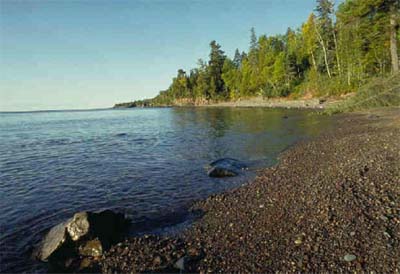
WASHINGTONA: New study on the North American Great Lakes showed that weather is also accountable for the formation of dead zones in the lakes.
Previously, only phosphorus runoff from fertilizers was considered the main reason. North America’s Great Lakes have been suffering from dead zones, which are hypoxic areas in lakes, from a long time.

According to scientists, these zones are harmful for fish. In these areas, fish cannot survive. The phosphorus causes algae bloom and pollutes the water.
Phosphorus is not the only culprit for the formation of dead zones in the lakes. From research Carnegie Institution for Science, weather also plays a vital role in creating the dead zones. To know about the dead zones, scientists closely looked at Lake Erie, which is the smallest of the Great Lakes. The lake has the largest dead zone in the summer of 2012.
Low flow rates from tributary rivers and droughts had led the lake to form dead zones. Lead researcher of the study, Anna Michalak, said the study has shown that in order to preserve the Great Lakes’ health, it is necessary to address agricultural practices and change in weather.
Policymakers concerned with safeguarding the environment of the Great Lakes should also consider the changing weather