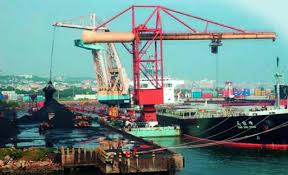
WASHINGTON: Adani Group is pursuing a bid on terminal concessions owned by APMT at the ports of Jawaharlal Nehru Port Trust (JNPT) and Gujarat Pipava. “Adani Ports is the only bidder for APMT India, and it is very positive about the deal,” a key Adani executive told JOC.com, requesting anonymity. Adani Group operates a clutch of marine facilities in India, including the country’s biggest non-government cargo terminal at Mundra. It has been searching for acquisitions to cement its position in the container segment and APMT deal, if it materializes, would mark the private giant’s entry into the country’s top public harbor. The official also said APMT’s move to exit India ties in with its global strategy of concentrating on “long-term core assets,” which has already led to its Zeebrugge terminal in Belgium being sold to Cosco Shipping Ports Ltd. The global operator’s Indian interests include a 73 percent shareholding in its flagship Gateway Terminals India (GTI) at JNPT and a 43 percent stake in Pipavav, a minor multipurpose harbor located about 150 nautical miles from JNPT.
APMT spokesman Tom Boyd previously told JOC.com that the company would not comment on rumors and speculation. “In the normal course of business, APM Terminals’ strategy is to continuously review and optimize its existing global portfolio as well as explore new investment opportunities. We are always looking at opportunities to grow the business and improve shareholder value.” Local media reports previously cited JSW Group as the other potential contender for APMT India, but industry sources told JOC.com that the Mumbai-headquartered company has no such interest and that it is weighing a proposal to participate in JNPT’s special economic zone.
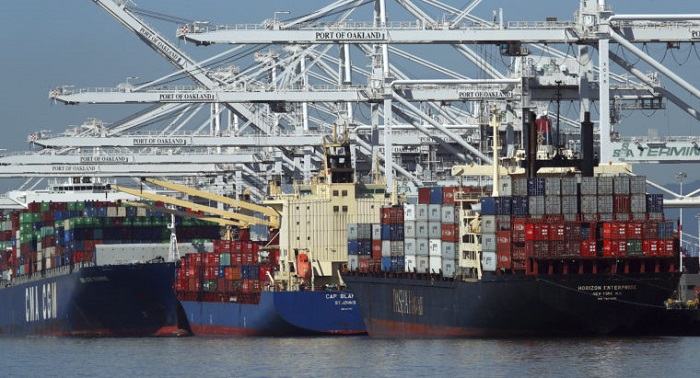

GTI, or APMT Mumbai, is touted as the most efficient terminal in India, and that has been reflected in productivity statistics released by DMICDC Logistics Data Services (DLDS), which manages radio-frequency identification technology-based container tracking services at Indian ports. JNPT’s largest facility has reduced its container dwell times to 44 hours and also steadily maintained crane productivity rates at roughly 40 moves per hour. “Logistics databank has helped us in identifying the challenges across rail container movements and congestion around the port area,” said Alok Mishra, head of operations at APMT Mumbai. With JNPT facing a capacity crunch as DP World’s flagship Nhava Sheva International Container Terminal (NSICT) seemingly tries to limit operations to its minimum volume commitments amid complicated royalty payment and tariff issues, there has been a wave of service additions at APMT Mumbai, creating a chock-a-bloc window program there. “There is no spare berth to accommodate any more services,” a company official recently told JOC.com. Some local shipping industry analysts blame that overstretched capacity utilization combined with long-running chronic infrastructure issues for intermittent lengthy truck queues and congestion in the busiest harbor. “The terminal has bitten off more than it can chew, so even a minor disruption at times causes ripples throughout supply chains,” a trade representative told JOC.com.
APMT Mumbai’s April-to-September throughput jumped 11.6 percent year over year, whereas NSICT suffered a 15.2 percent fall in the same six-month period, according to a JOC.com port data analysis. However, the picture is not all that rosy for APMT’s sister unit Pipavav, as it has been struggling to hold onto its share of the country’s northwestern container market, and to remain competitive, the minor terminal has lately been targeting other general cargoes. In the first quarter, Pipavav’s container volume was down 4 percent from the prior three months, statistics show. By contrast, Mundra increased first-quarter container volume by 20 percent year over year in the same period. Adani’s’ interest in APMT India may have been prompted by expectations that integrated operations would create significant supply chain synergies, also given its marketing clout that already delivered rich dividends for Mundra.