
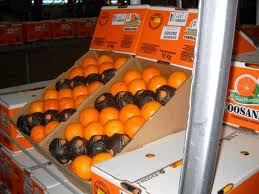
BOUNOS AIRES: Argentinean fruit shipments overseas through the ports of San Antonio and Bahía Blanca totalled 51,118 tonnes in the first two months of the year. This volume represents an annual drop of around 23%; 45% when compared to the average of the past five years.
90% of the shipments correspond to pears, while the rest to apples and some stonefruit.


During the first two months of 2014, nearly 30% of the exportable supply of pome fruits was shipped from Buenos Aires; this season, only 4%. In absolute values, this reflects a loss of 24,500 tonnes of fruit. In relative terms, the decline in annual sales from the ports of Buenos Aires reached over 90%.
Historically fruit exporters seek to export to Europe when the pear season in the Southern Hemisphere has just started so as to take advantage of the window opened by the lack of fruit during the first weeks of the year. But January 2015 was a month to forget at the Rio Negro Valley. Producers were unable to harvest their fruit because they had no money to pay for it, companies did not buy pears, because they didn’t know if they would be able to sell them; therefore, thousands of tonnes were neither harvested nor marketed. Lastly, labour strikes prevented the packing of fruit for export during the first month of the year.
All of this caused the pear season this year to start in late January, with the economic and financial consequences that this entails, and losing the possibility of marketing fruit overseas in advantageous conditions.
Different entrepreneurs agree that total fruit exports this year will be between 70,000 and 110,000 tonnes lower than in 2014.
And this is really worrying, because, in commercial terms, last season was the worst in decades for the Valley’s fruit sector.
Statistics released by the Port Terminal Patagonia Norte (TPPN) reveal that during the first two months of 2014 exports to overseas destinations totalled 66,700 tonnes; a much lower figure than in the 2007 season, when exports amounted to more than 180,000 tonnes in the same two months (see tables attached).
In short, the revenue generated by the Valley of Rio Negro and Neuquén, compared with 2014, will be between 60 and 100 million dollars lower, which is not to be sniffed at, considering the sector’s economic and financial crisis.
A recent report prepared by the Department of Fruit Cultivation of Rio Negro reveals that pear sales in Europe remain active, with stocks in late January at lower levels than in the years of abundance (2014-2012) and higher than in the years of shortages (2013-2011), although closer to the former.



