Customs Today
  • Home
  • Islamabad
  • Karachi
  • Lahore
  • National
  • Transfers and Postings
  • Chambers & Associations
  • Business
No Result
View All Result
Customs Today
  • Home
  • Islamabad
  • Karachi
  • Lahore
  • National
  • Transfers and Postings
  • Chambers & Associations
  • Business
No Result
View All Result
Customs Today
No Result
View All Result
Home International Customs

Auckland farm land use reduces 25% in New Zealand

byCustoms Today Report
11/11/2015
in International Customs, New Zealand
Share on FacebookShare on Twitter

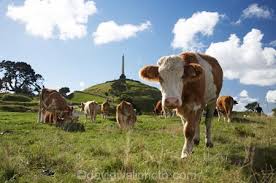
WELLINGTON: The area of Auckland land being farmed is 25 per cent less than just over a decade ago, likely because more is being used for housing. Around 14.1 million hectares (ha) were farmed in this country in 2014, down from 15.6 million ha in 2002, according to Ministry of Business Innovation and Employment data.

Across New Zealand, that’s a reduction of 9.3 per cent. Auckland was leagues ahead of this nationwide average. Its 223,000 ha of farmland in 2014 was more than 25 per cent less than the 302,000 ha in 2002. Canterbury, New Zealand’s largest farming region by geographic size, was also ahead of the curve with a 14 per cent decline over the 12-year period.


You might also like

lamic banking assets reach Rs14.47 trillion, sector share rises to 23%

07/03/2026

Shippers see temporary lull in exports

05/02/2020

In 2002, 3.2 million ha were farmed in the region, compared to 2.7 million ha in 2014. ASB rural economist Nathan Penny believed the biggest contributor to the nationwide decline would be urbanisation.

“Particularly in somewhere like Auckland – think about a lot of the residential developments in South Auckland and north and west, a lot of them have come out of farmland,” Penny said.

In Canterbury, particularly post-earthquake, land was needed outside the city for housing in places such as Rolleston and Rangiora. “You’d imagine that’s where quite a bit of development has happened on what was previous rural or life-style block land,” Penny said.

While the area of land being farmed in rural strongholds like Waikato and Otago had dropped, the decline over the 12 years was smaller at 6.8 per cent and 3.7 per cent respectively. In Hawkes Bay, the area of land farmed declined 150,806 ha between 2002 and 2014, down 16 per cent.


Tags: Auckland farm land useIn New Zealandreduces 25%

Related Stories

lamic banking assets reach Rs14.47 trillion, sector share rises to 23%

byCT Report
07/03/2026

KARACHI: Pakistan’s Islamic banking sector expanded during 2025, increasing its share in the country’s financial system with assets reaching nearly...

Shippers see temporary lull in exports

byadmin
05/02/2020

Shippers expect the coronavirus outbreak to have the greatest effect on farm product exports, notably fresh fruits and vegetables, with...

Toyota Motor Corp. employees work on the Crown vehicle production line at the company's Motomachi plant in Toyota City, Aichi, Japan, on Thursday, July 26, 2018. Toyota may stop importing some models into the U.S. if President Donald Trump raises vehicle tariffs, while other cars and trucks in showrooms will get more expensive, according to the automaker’s North American chief. Photographer: Shiho Fukada/Bloomberg

Toyota SA to invest over R4 billion in car assembly and parts

byadmin
05/02/2020

Toyota SA Motors (TSAM) has announced a R4.28bn investment in local vehicle assembly and parts supply. Speaking at the company’s...

Over 80 Kilos Cocaine Found On Dutch Plane In Argentina; Three Dutch Arrested

byadmin
05/02/2020

More than 80 kilograms of cocaine was found on a Martinair Cargo plane in Argentina. Seven men, three of whom...

Next Post

Alma's UK clients set to hit £100m in R&D tax claims

  • Terms and Conditions
  • Disclaimer

© 2011 Customs Today -World's first newspaper on customs. Customs Today.

No Result
View All Result
  • Transfers and Postings
  • Latest News
  • Karachi
  • Islamabad
  • Lahore
  • National
  • Chambers & Associations
  • Business
  • About Us

© 2011 Customs Today -World's first newspaper on customs. Customs Today.