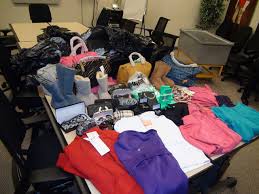
TORONTO: The retail value of counterfeit goods seized by the RCMP was $7.6 million in 2005. By 2012, this number had climbed to $38 million. Last year, the Canadian government passed the Combating Counterfeit Products Act (CCPA) to better address this increasingly prevalent issue. The CCPA included certain amendments to the Copyright Act, the Trade-marks Act and the Customs Act to provide the Canada Border Services Agency (CBSA) and rights holders with new tools to help stem the flow of counterfeit goods into or out of Canada. These measures came into force on January 1, 2015.
The CCPA creates a new class of goods of which importation or exportation is prohibited: counterfeit goods. These are defined as goods in which copyright subsists but which are made without the consent of the owner of the copyright in the country where they were made or which infringe copyright or would infringe copyright if they had been made in Canada by the person who made them. Similarly, the CCPA prohibits the import or export of goods which bear a label or packaging containing a trade-mark identical to or indistinguishable in its essential aspects from a registered trade-mark without the trade-mark owner’s consent.


Another critical change for rights holders is the implementation of a Request for Assistance (RFA) program under both the Copyright Act and the Trade-marks Act. The RFA program allows rights holders to formally request the assistance of the CBSA in enforcing their rights under these two Acts. Each RFA must include the rights holder’s name and address in Canada together with any other information which the Minister of Public Safety (Minister) will prescribe.
An RFA is valid for a period of two years, after which it may be renewed by the Minister at the request of the rights holder. More specifically, if the CBSA has received a formal RFA from a rights holder, it is empowered to provide that individual with information on any goods which are detained under suspicion that they are the goods detailed in the RFA. The new provisions allow for a greater degree of information sharing, including sharing of samples of the allegedly counterfeit materials, between the rights holders and the CBSA.