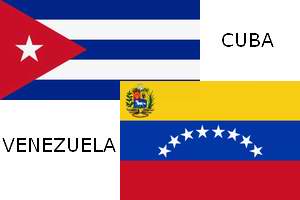
CARACAS: Some 200 projects of scientific collaboration were developed by Cuba and Venezuela as part of the Comprehensive Cooperation Accord signed 15 years ago by then-Presidents Fidel Castro and Hugo Chavez, the official press reported Friday.
Food security, biotechnological production and toxic-waste management are some of the more noteworthy items in this “sustained exchange,” defined by the Venezuelan ambassador to Havana, Ali Rodriguez, as a “kind of solidarity that would never happen in a capitalist context.”
“In times like these when nature is endangered, any help one can get is welcome, above all in a country like Venezuela with so much oil and gas production, which means we must have systems to preserve the quality of our soil and water,” Rodriguez was cited as saying by the state daily Juventud Rebelde.
The cooperation pact dubbed “Science for the People” also includes the training of human resources in environmental management, nanotechnology development and reducing the impact of climate change.
This binational accord has served to “break technological dependence” through the creation of “research centers and facilities born of this cooperation,” the deputy minister of science, technology and environment, America Santos, said.
It was a project that Castro, who left power in 2006, and Chavez, who died in 2013, saw as a way “to make dreams come true,” the deputy minister said during a ceremony in Havana celebrating the 15 years of the cooperation accord, which made Venezuela the chief political and economic ally of the island.
The pact between the two governments includes accords of all kinds, including an energy agreement by which Cuba receives some 100,000 barrels of petroleum a day.
In partial payment for the crude, thousands of doctors, health technicians, educators and sports professionals from the Caribbean island provide service in Venezuela. EFE

Vietnam bumps Thailand down to third place in survey of interest among Japanese businesses
HANOI: Interest in Vietnam among Japanese companies continues to grow, boosting the Southeast Asian country to the second spot, right...