Customs Today
  • Home
  • Islamabad
  • Karachi
  • Lahore
  • National
  • Transfers and Postings
  • Chambers & Associations
  • Business
No Result
View All Result
Customs Today
  • Home
  • Islamabad
  • Karachi
  • Lahore
  • National
  • Transfers and Postings
  • Chambers & Associations
  • Business
No Result
View All Result
Customs Today
No Result
View All Result
Home International Customs South Africa

Europe fights the ‘Uberisation’ of cocaine trade

byadmin
25/07/2019
in South Africa
Share on FacebookShare on Twitter

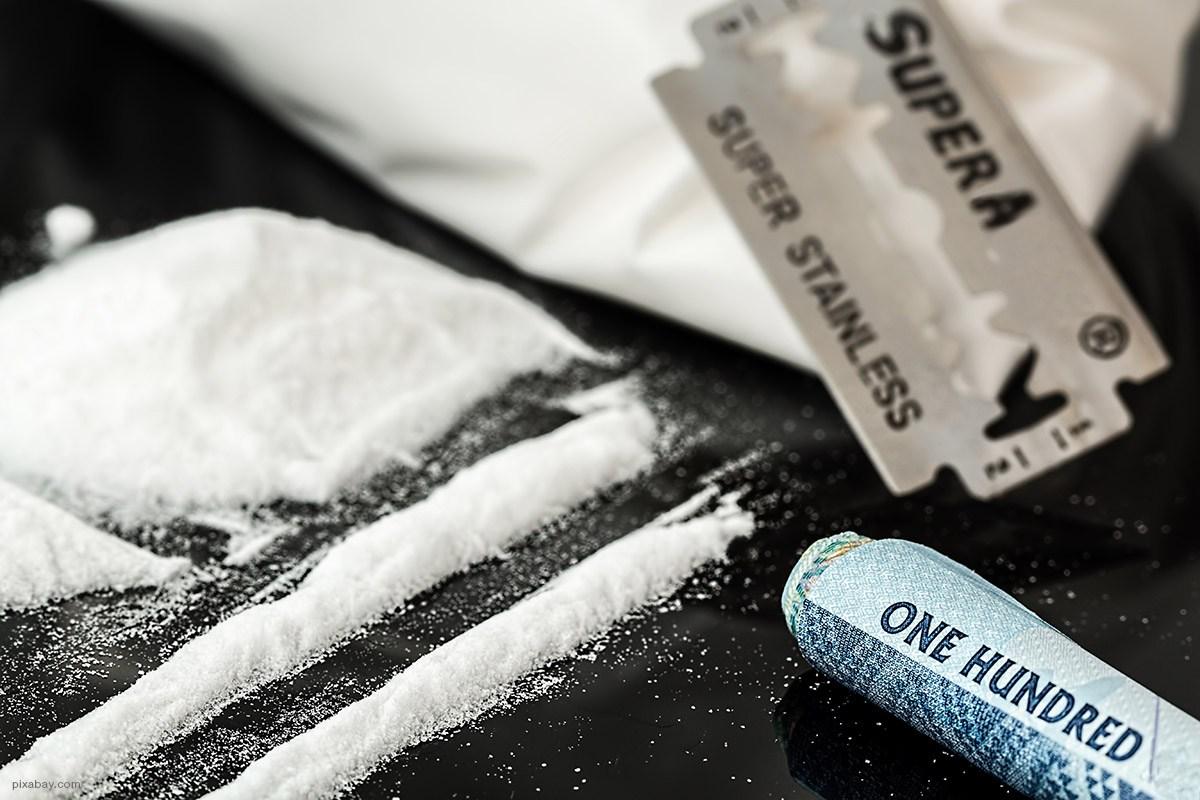
European authorities are seizing record quantities of cocaine, according to a report by the European Union drugs agency published on Tuesday.

The European Monitoring Centre for Drugs and Drug Addiction (EMCDDA) said the availability of drugs in Europe is on the rise, partly fuelled by new distribution methods and the “Uberisation” of the drugs trade.


You might also like

lamic banking assets reach Rs14.47 trillion, sector share rises to 23%

07/03/2026
Toyota Motor Corp. employees work on the Crown vehicle production line at the company's Motomachi plant in Toyota City, Aichi, Japan, on Thursday, July 26, 2018. Toyota may stop importing some models into the U.S. if President Donald Trump raises vehicle tariffs, while other cars and trucks in showrooms will get more expensive, according to the automaker’s North American chief. Photographer: Shiho Fukada/Bloomberg

Toyota SA to invest over R4 billion in car assembly and parts

05/02/2020

The agency also said the purity of the cocaine seized has reached its highest level in a decade.

According to the most recently available data, EU authorities seized 140 tonnes of cocaine in 2017, the highest level ever recorded and twice as much as in 2016. Prices, on the other hand, have remained stable at retail level ranging from $54 a gram in the United Kingdom to $117 a gram in Sweden.

While raw survey data – which comes from local agencies across EU countries, Norway and Turkey – doesn’t show evidence of increased use, other indicators suggest that consumption may also be on the rise.

“For example, we see from wastewater data that metabolised cocaine increased in 22 of the 38 cities [for which] we had data. So that suggests its possible use is also increasing,” Andre Noor, head of sector, trends and analysis at the agency’s public health unit told Al Jazeera. Surveys aren’t carried out every year, he added.

The largest quantities of cocaine were seized in Belgium (45 tonnes) and Spain (41 tonnes), marking a diversification of routes.

“The trafficking line, routes, are more multifaceted than before,” the agency’s director, Alexis Goosdeel, told journalists on Tuesday.

Until four years ago, more than 50 percent of cocaine confiscations took place in Spain, but countries such as Turkey have registered an increase in recent years.

“There are some suspicions that part of the cocaine that is arriving in Europe today [does not have] Europe as the final destination, but other geographic regions like Asia or the Middle East,” Goosdeel said.

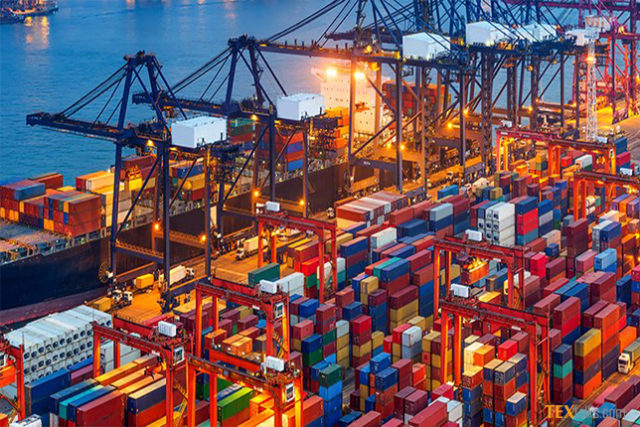
Increasingly, trafficking takes place through ports using shipping containers. The port of Antwerp in Belgium is a major hub for cocaine smuggling, the report said.

Goosdeel pointed out there had been an increase in the production of cocaine in Colombia, which remains the world’s top producer, while the use of new retail methods is increasingly widespread.

“What we see is that, more and more, the internet, and notably the Darknet is used for buying and selling drugs,” Goosdeel said. While this market is still relatively small, its share doubles year on year, he added.

“Today there is a much more systematic and organised way of using the internet, and that is part of increasing competition.”

This increased competition has led to what the report calls an “Uberisation” of the cocaine trade in which “sellers compete by offering additional services such as fast and flexible delivery options”.

Related Stories

lamic banking assets reach Rs14.47 trillion, sector share rises to 23%

byCT Report
07/03/2026

KARACHI: Pakistan’s Islamic banking sector expanded during 2025, increasing its share in the country’s financial system with assets reaching nearly...

Toyota Motor Corp. employees work on the Crown vehicle production line at the company's Motomachi plant in Toyota City, Aichi, Japan, on Thursday, July 26, 2018. Toyota may stop importing some models into the U.S. if President Donald Trump raises vehicle tariffs, while other cars and trucks in showrooms will get more expensive, according to the automaker’s North American chief. Photographer: Shiho Fukada/Bloomberg

Toyota SA to invest over R4 billion in car assembly and parts

byadmin
05/02/2020

Toyota SA Motors (TSAM) has announced a R4.28bn investment in local vehicle assembly and parts supply. Speaking at the company’s...

Toyota Motor Corp. employees work on the Crown vehicle production line at the company's Motomachi plant in Toyota City, Aichi, Japan, on Thursday, July 26, 2018. Toyota may stop importing some models into the U.S. if President Donald Trump raises vehicle tariffs, while other cars and trucks in showrooms will get more expensive, according to the automaker’s North American chief. Photographer: Shiho Fukada/Bloomberg

Toyota SA to invest over R4 billion in car assembly and parts

byadmin
03/02/2020

Toyota SA Motors (TSAM) has announced a R4.28bn investment in local vehicle assembly and parts supply. Speaking at the company’s...

Massmart warns of almost R1.4bn loss as SA consumers struggle

byadmin
30/01/2020

Walmart-owned retailer Massmart, whose brands include Makro and Game, warned on Thursday it had swung into a loss in its...

Next Post

Economists predict Thai exports could fall 3.1% this year

  • Terms and Conditions
  • Disclaimer

© 2011 Customs Today -World's first newspaper on customs. Customs Today.

No Result
View All Result
  • Transfers and Postings
  • Latest News
  • Karachi
  • Islamabad
  • Lahore
  • National
  • Chambers & Associations
  • Business
  • About Us

© 2011 Customs Today -World's first newspaper on customs. Customs Today.