LAGOS: Oil-rich Nigeria’s main cities are facing acute gasoline shortages as importers feel the pinch of a plummeting local currency, tighter credit lines and unpaid government subsidies, oil traders and local industry sources said.
As queues of double-parked cars stretch outside filling stations in the capital Abuja, empty tanks elsewhere are forcing consumers onto the black market just weeks before presidential elections on March 28 in Africa’s biggest economy.


Nigeria exports around two million barrels per day of crude but a neglected refining system means it is almost wholly reliant on imports for the 40 million litres per day of gasoline it consumes.
The picture is an unwelcome one for President Goodluck Jonathan, who faces former military leader Muhammadu Buhari in what is expected to be the tightest election battle since the end of military rule in 1999.
Obafemi Olawore, the executive secretary of the Major Oil Marketers Association of Nigeria (MOMAN), said they began receiving the stop-gap gasoline.
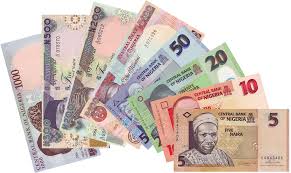
Nigeria’s naira hit a record low of 206.60 to the dollar in February, down 20 percent since its devaluation in November, and the central bank scrapped biweekly currency auctions in February to protect its haemorrhaging foreign reserves.
The move left importers with no choice but to pay higher interbank rates, further complicating financing.
“Marketers who handle about 50 percent of the market are not importing, as the banks are not opening letters of credit for them,” an industry source said.
Finance Minister Ngozi Okonjo-Iweala said on Tuesday 320.8 billion naira had been paid to marketers in December last year from the country’s rainy day fund, the Excess Crude Account.
“Last week we met the marketers and negotiated the terms of payment of the 185 billion naira,” she told a press conference.
She said the government will begin issuing Sovereign Debt Notes (SDN) to marketers on Wednesday to repay the remaining capital. SDNs, which serve as guarantees for marketers’ imports, are expected to be treated like cash.
This has put the burden on crude-for-products contract holders Sahara, Aiteo and state trader Duke Oil, operating through state agency Pipelines and Product Marketing Co (PPMC), which usually only import half of the country’s fuel.
Fear of chaos in both subsidy payments and at import terminals after the elections also caused shipments to dry up close to the original poll date of Feb. 14. A similar move is happening again.